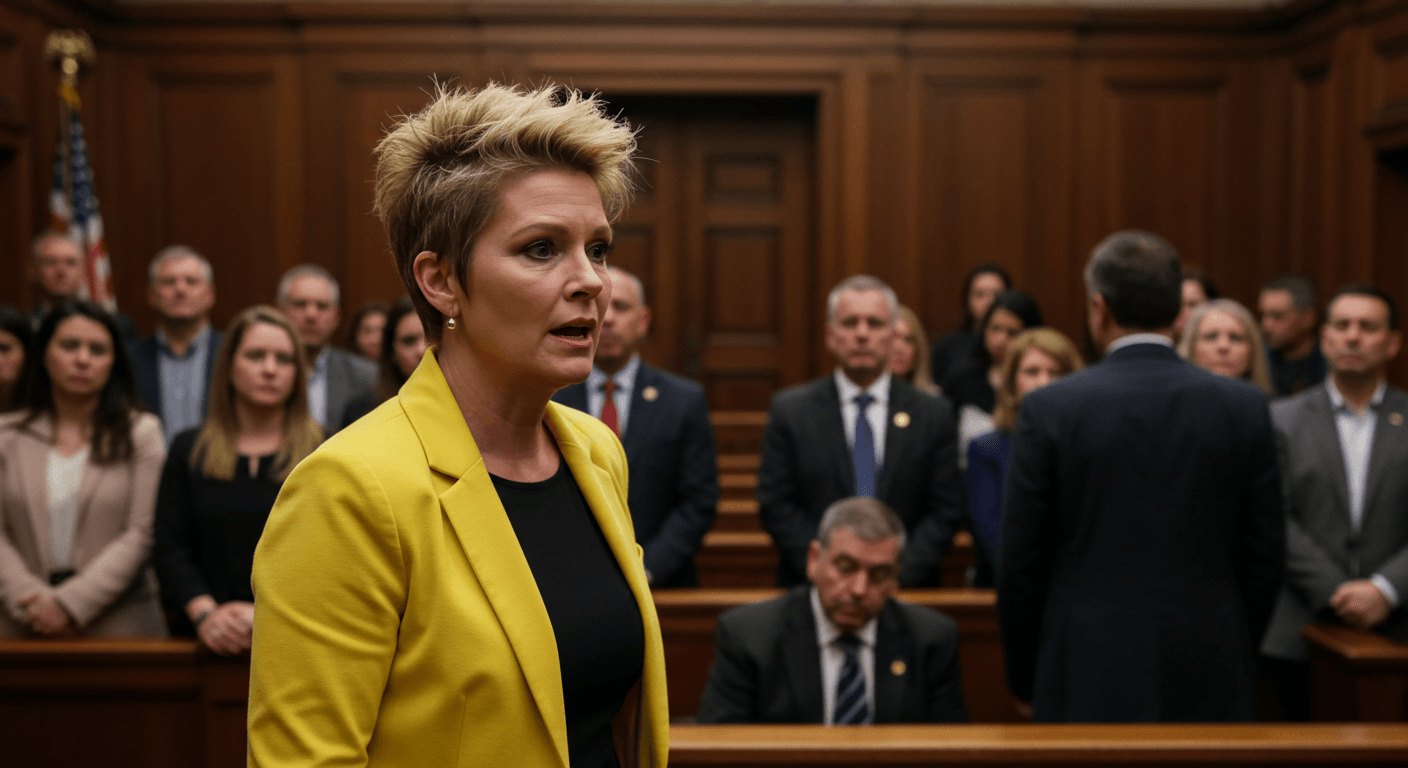


So, you’ve just had an accident. Maybe you slipped on some ice that looked more like a skating rink than a sidewalk, or perhaps you were involved in a fender bender with someone who clearly didn’t understand the concept of stop signs.
Whatever the case may be, your heart is racing, and you might be thinking about how to get back to normal—whatever “normal” is at this point!
Here’s a handy guide on what steps to take immediately after a personal injury accident. Spoiler alert: it involves more than just shaking off the embarrassment!

Top Takeaways and Key Concepts
Stay Calm and Assess the Scene: Check for injuries, hazards, and overall safety before taking further action.
Call Emergency Services Immediately: Dial 911 to get medical help and official documentation of the accident.
Document Everything Thoroughly: Take photos, videos, and notes of damages, conditions, and accident details.
Gather Witness Information: Collect names and contact details of bystanders who saw the accident occur.
Seek Medical Attention and Legal Guidance: Visit a doctor promptly and consult a personal injury lawyer to protect your rights.
Summary of This Article
Please Note: This post may contain affiliate links. If you click one of them, we may receive a commission at no extra cost to you. As an Amazon Associate, I earn from qualifying purchases.
The article outlines essential steps to take immediately after a personal injury accident, emphasizing safety, documentation, and legal preparation. Key actions include staying calm, assessing the situation, contacting emergency services, documenting the scene, and collecting witness information. Prompt medical attention is critical, both for health and for supporting claims, while notifying your insurance company ensures proper reporting. Consulting a personal injury lawyer early helps navigate legal processes, maximize potential compensation, and prevent costly mistakes.
Stay Calm and Assess the Situation
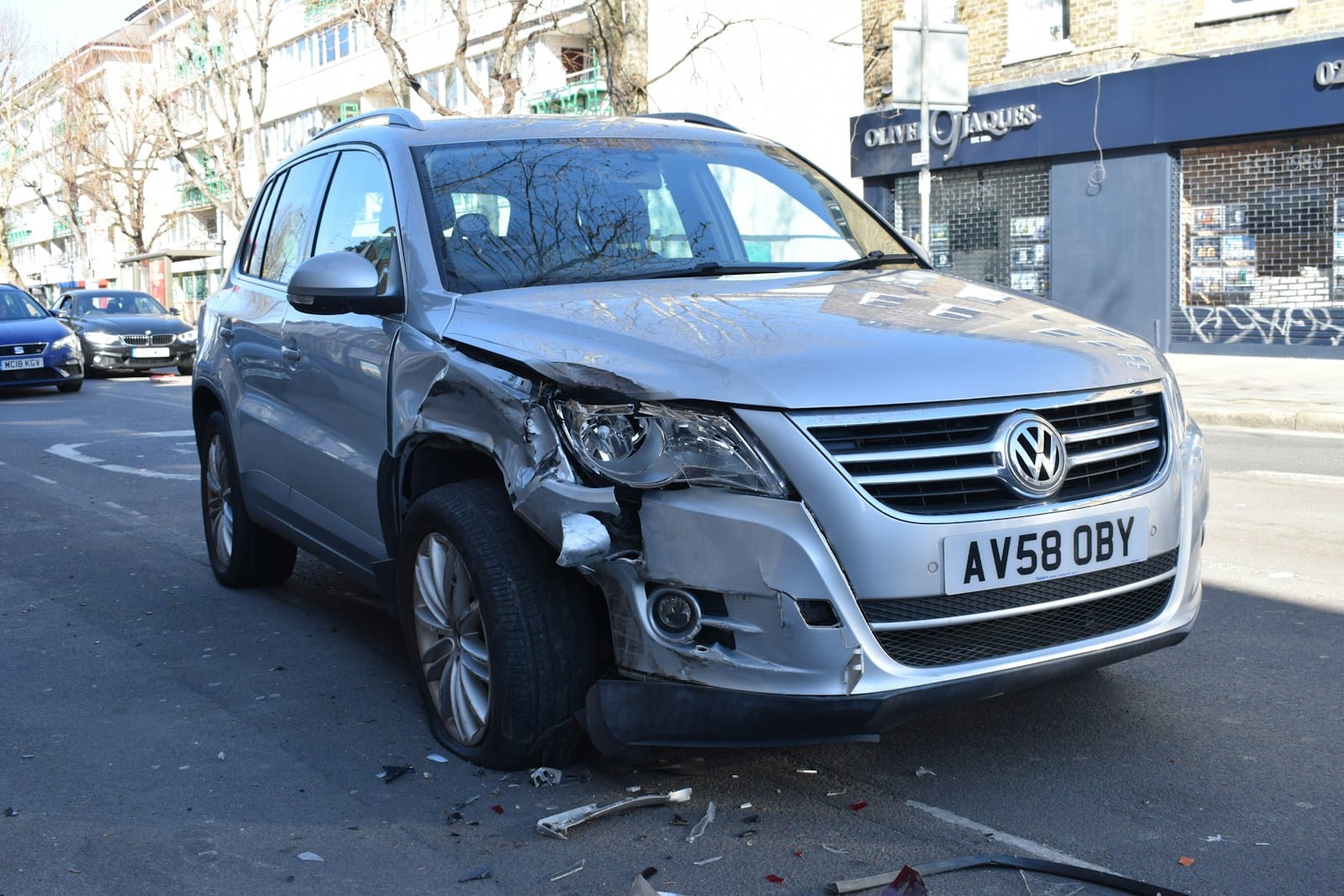
First things first—take a deep breath! I know it sounds easier said than done when adrenaline is pumping through your veins like it’s auditioning for an action movie, but staying calm is crucial. Look around and assess the situation. Are there injuries? Is anyone screaming? Is that your car crumpled like an old soda can?
If you’re physically able, check yourself for injuries before playing superhero for others. You might feel fine initially due to shock—a sneaky little trick our bodies play on us sometimes. If something hurts later (like my decision to eat that third slice of pizza last night), don’t ignore it!
By the way, if anyone else seems injured or disoriented, call for help right away. It’s better to have paramedics show up unnecessarily than to miss someone who really needs assistance.
Call Emergency Services
Once you’ve assessed everything and confirmed that everyone is safe—or at least as safe as possible—it’s time to dial 911. Yes, I know; nobody wants to make that call because it feels like admitting defeat or being overly dramatic. But trust me, getting professionals involved is essential.

Emergency services will not only assist with medical needs but also document the scene—a fancy way of saying they’ll write down all sorts of important details that could come in handy later when discussing compensation (because let’s face it; we’re all secretly hoping for those big bucks).
When talking to dispatchers, be clear about your location and any immediate dangers—like if there’s still ice lurking nearby or if someone’s pet llama has escaped from its yard (yes, I once saw this happen).
Document Everything
Okay folks, here comes my favorite part: documentation! This step is vital because memories fade faster than leftovers in my fridge. Use your phone or a good old-fashioned pen and paper (if you can find one) to jot down everything you remember about the accident.
Take photos of everything—the vehicles involved, any visible injuries (yikes!), road conditions, traffic signs nearby—you name it! And don’t forget those awkward angles where people look confused; they’re usually gold mines for showing just how chaotic things got.

I once had a friend who took pictures of every single scratch on their car after an incident involving an overzealous tree branch—and boy did that pay off later! So, channel your inner detective and capture every detail.
Gather Witness Information
Speaking of documenting things: witnesses are like golden tickets in personal injury cases! They can provide unbiased accounts of what happened—which can sometimes be worth their weight in gold (or at least chocolate).
If there are bystanders watching the chaos unfold—perhaps sipping coffee while pretending not to notice—ask them if they’d mind sharing their perspective.

Make sure you get their names and contact information too! You never know when you might need them later during negotiations or court proceedings—though let’s hope it doesn’t come down to that!
And honestly, try not to panic if no one stops; people often act like they’re late for work even when they see something dramatic happening right before their eyes!
Seek Medical Attention
Now here comes another critical step: seeking medical attention—even if you think you’re fine! Sometimes injuries don’t rear their ugly heads until days later; it’s kind of like finding out too late that eating expired yogurt wasn’t such a great idea.
Visit a doctor as soon as possible after the incident—even if it’s just for peace of mind. They’ll evaluate any hidden injuries and provide necessary documentation about what happened during your visit—all super helpful stuff when pursuing compensation later on.
Interestingly enough, insurance companies tend to look favorably upon prompt medical attention—it shows them you’re serious about addressing any issues stemming from the accident instead of waiting around hoping they’ll magically disappear!
Notify Your Insurance Company
Alrighty then! Once you’ve taken care of yourself—and maybe even treated yourself with some ice cream because why not?—it’s time to notify your insurance company about what happened. This should ideally happen within 24 hours so there are no surprises waiting down the road.
When reporting details regarding your claim, stick strictly with facts—no embellishments needed here! Just explain what occurred without adding drama akin to an Oscar-winning performance (trust me; I’ve seen enough courtroom dramas!).
And speaking of surprises…don’t forget about potential liability issues with other parties involved in accidents—that’s where having accurate documentation pays off again!
Consult With a Personal Injury Lawyer
Finally—and this part is crucial—I highly recommend consulting with a personal injury lawyer sooner rather than later. These professionals know exactly how much paperwork you’ll need and how best to navigate through tricky legal waters while maximizing potential compensation claims.
A good lawyer will help ensure nothing slips through cracks—not unlike those pesky socks disappearing into laundry oblivion! Plus they can offer valuable advice tailored specifically toward your unique situation based on experience dealing with similar cases before.
And hey—we’re all human here; mistakes happen—but having proper representation helps minimize costly errors along this journey towards recovery!
Suggested Resources:
Understanding Personal Injury Claims
https://www.nolo.com/legal-encyclopedia/understanding-personal-injury-claims-29700.html
What To Do After an Accident
https://www.alllaw.com/articles/nolo/personal-injury/what-to-do-after-an-accident.html
How To Choose a Personal Injury Lawyer
https://www.findlaw.com/hirealawyer/choosing-a-lawyer/how-to-choose-a-personal-injury-lawyer.html
Frequently Asked Questions
What should I do immediately after a personal injury accident?
First, stay calm and assess the situation for injuries or hazards. Ensure everyone’s safety and contact emergency services right away for help and documentation.
Why is calling emergency services important after an accident?
Emergency responders provide medical care and create official reports that serve as crucial evidence when filing insurance or legal claims later.
What information should I document at the accident scene?
Take photos and videos of the scene, record weather and road conditions, note injuries, and write down the time and location of the accident for reference.
Should I collect witness information, and why?
Yes, witness statements provide unbiased accounts that can strengthen your case. Always record their names and contact details before leaving the scene.
Do I need to see a doctor even if I feel fine after the accident?
Yes, some injuries appear later due to delayed symptoms. Visiting a doctor ensures your health is evaluated and properly documented for insurance or legal purposes.
When should I notify my insurance company about the accident?
Notify your insurance provider as soon as possible, ideally within 24 hours, to start the claims process and ensure compliance with policy requirements.
Why should I consult a personal injury lawyer after an accident?
A lawyer can guide you through legal procedures, protect your rights, and help maximize compensation by managing negotiations and paperwork effectively.

Kevin Collier is a legal expert passionate about simplifying complex legal concepts for everyday individuals. With a focus on providing clear, practical information, he covers a wide range of topics, including rights, responsibilities, and legal procedures. Kevin aims to empower readers with the knowledge they need to navigate the legal landscape confidently, ensuring they can make informed decisions regarding their legal matters. Through insightful articles and easy-to-understand resources, he helps demystify the law, making it accessible to all.