
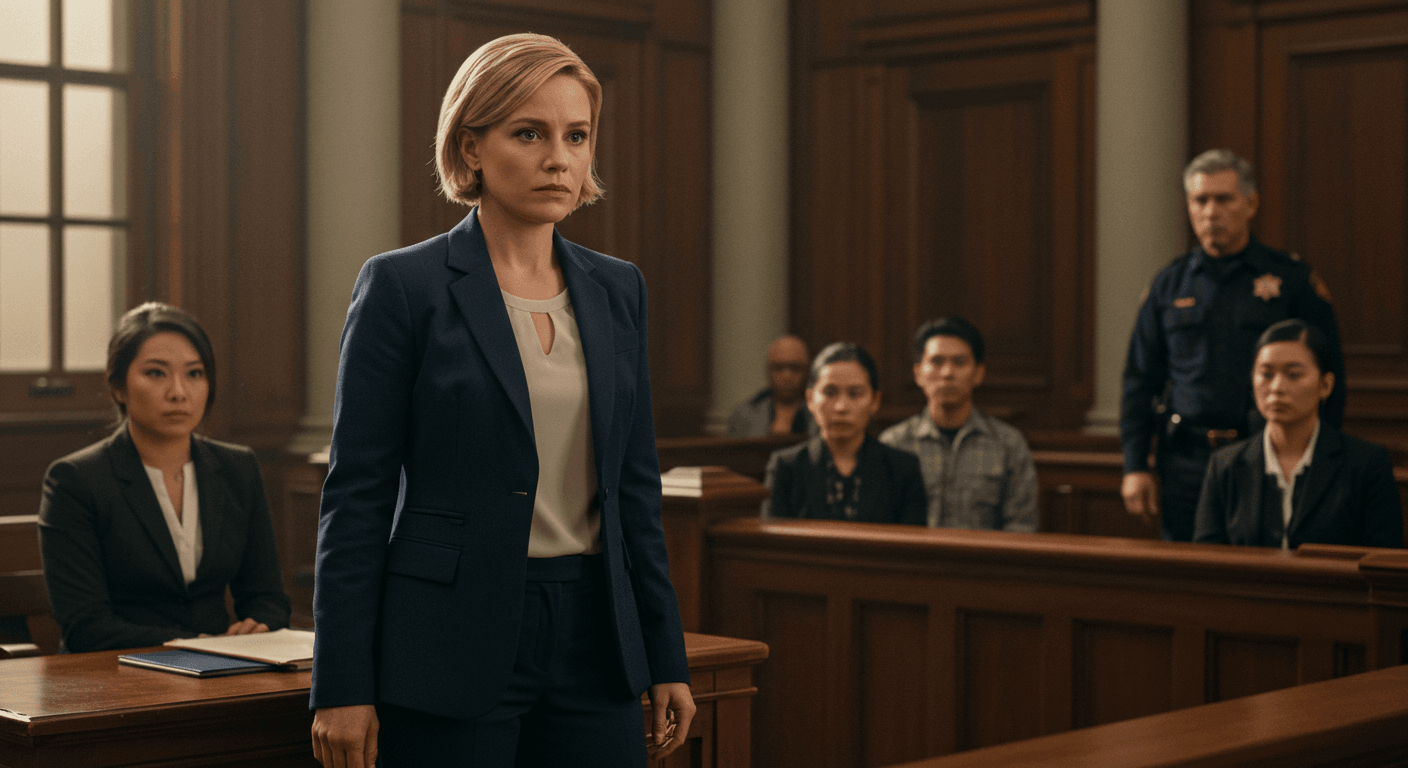
The idea of a fair trial seems simple at first, but when you look closer, it’s like peeling an onion—there are layers of intricacy! Imagine being in a courtroom where everyone is yelling and swinging their arms around. Not the calm place we think of when we think of justice, right? So, let’s talk about what this important rule truly means and why it matters so much.
Top Takeaways and Key Concepts
Ensure both sides have equal opportunity to present evidence and arguments for true fairness.
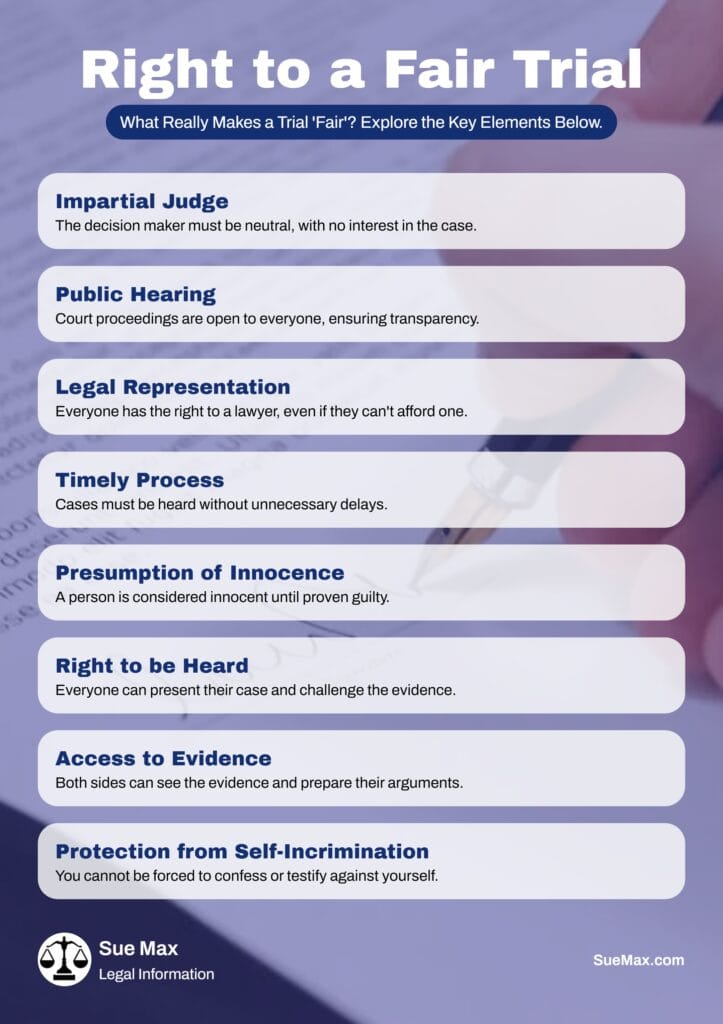
Always secure qualified legal representation—navigating court without a lawyer puts you at a major disadvantage.
Remember “innocent until proven guilty”; demand solid evidence before any judgment is made.
Promote transparency by guaranteeing all parties have access to the same evidence and witness information.
Use the right to appeal as a safeguard against legal mistakes and unfair outcomes.
Summary of This Article
This article explores the essential elements of a fair trial and why they are vital to justice. It explains that fairness means equal opportunity for both sides, unbiased judges and juries, and full access to legal representation. The author highlights the importance of the presumption of innocence, requiring solid proof before conviction, and the need for transparency in sharing evidence. The piece also stresses the critical role of impartial decision-makers and the right to appeal, which ensures mistakes can be corrected. Through humor, historical anecdotes, and practical examples, it underscores that fairness in trials is not just a legal principle but the foundation of a trustworthy and humane justice system.
What Does “Fair Trial” Actually Mean?

🧾 In 1930s America, a man named William “Billy” Walters was so obsessed with getting a fair trial that he once tried to bribe the jury with donuts—he claimed it was his “sweet defense strategy.” The judge was not amused and added “donut bribery” to the list of things you can’t do in court. 🧾
“Justice is truth in action.” — Benjamin Disraeli
The word “fair trial” means that the judicial process is done fairly and without bias. Like baking a cake, if you don’t follow the steps or use substandard ingredients, you won’t get anything tasty! This involves making sure that both sides have the same chances to make their case in court. What if a judge had already made up their mind before hearing all the evidence? Would you want them to decide your fate? Not at all!
Having access to a lawyer is also a part of fairness. Think about trying to win a game when you don’t know the rules. That’s how it feels for someone who is being charged but doesn’t have a lawyer. It would be terribly unfair if they were playing Monopoly while everyone else was playing chess.
Fair Trials: The Legal Circus
– In some countries, jurors can be dismissed for being too smart. Yes, you read that right! If you know too much about the law, they might think you can’t be impartial—like trying to judge a pie-eating contest while on a diet!
– The phrase “innocent until proven guilty” is so important that it’s like the legal system’s version of “you can’t have dessert before dinner.” It means everyone gets a fair shot at proving their case before any judgment is made.
– In ancient Greece, juries could be as large as 500 people! Imagine trying to get all those folks to agree on lunch orders after the trial. Good luck with that!
If you think about it, going through the legal system can feel like going through a maze with signals that don’t make sense and traps that catch you off guard. How can anyone expect to get out without a lawyer who knows what they’re doing? It’s not enough to just know the laws; you also need to know how to make your case and respond to any arguments that come your way. Having a good lawyer is like having a coach on your team who knows how to plan and avoid problems.
Now let’s think about what occurs when a person doesn’t have a lawyer. Imagine this: they walk into court like David fighting Goliath, with only their wits against experienced prosecutors who know all the techniques of the game. It’s scary! The terminology used in court is filled with jargon that sounds more like a foreign language than something that most people can understand. If you’re not ready, words like “hearsay” or “motion for summary judgment” might as well be spells from a fantasy world.
When you have a lawyer, you know that someone is always looking out for your best interests. They will collect evidence, talk to witnesses, and make strong arguments that are specific to your case. These are all things that are very hard to achieve on your own. When things get hard, think of them as your own superhero in a suit who swoops in to save the day.
And since we’re talking about superheroes, let’s not forget that lawyers have a lot of experience and knowledge. They’ve learned how to find flaws in the other side’s arguments and how to use the strengths of your own. It’s a lot like poker; you need someone who can tell when to bluff or go all-in based on the cards that are being played.
Having access to a lawyer isn’t only good; it’s necessary for keeping justice in our society. When people can’t afford lawyers or don’t know where to get help, it makes things unfair, which goes against the fundamental idea of justice that we want in our courts. What type of competition would it be if only some players could afford instructors and others had to play alone?
Having access to good lawyers makes things fair and gives everyone a fair chance at getting justice. So the next time you hear someone suggest they don’t need a lawyer because they “can handle it themselves,” remember that even superheroes have sidekicks!
Presumption of Innocence: The Golden Rule

🧾 In ancient Rome, if you were accused of a crime, you could bring your pet pig to court. If the pig snorted during your trial, it was believed to be a sign of your innocence—because who would want to upset a pig? 🧾
“Justice cannot be for one side alone but must be for both.” — Eleanor Roosevelt
The presumption of innocence is one of the most important parts of a fair trial. This sophisticated word just indicates that everyone is innocent until they are proven guilty. Imagine this: you come into a room full of people who are pointing fingers at you because they think you stole someone’s lunch. How awful! You wouldn’t want somebody to make a decision about you before they hear your side of the story.
This rule makes sure that prosecutors have to show strong evidence against someone instead of just going on hearsay or guesses. It’s like saying, “Show me!” Instead of making quick decisions based on rumors or half-baked ideas. Picture this: you walk into a bakery and are informed you can’t have a cupcake until you can show it exists! Isn’t that silly? That’s what it feels like when someone gets charged with a crime without any real proof.
The Golden Rule of Innocence
– Did you know that in some places, if you’re accused of a crime, you can actually get a free lawyer? It’s like getting a surprise gift at your birthday party—only this one helps keep you out of jail!
– The presumption of innocence is so important that it’s the first thing taught in law school. It’s like the “please” and “thank you” of the legal world—without it, things could get really messy!
– In medieval times, they had a unique way to prove innocence: trial by ordeal! This meant people might have to walk on hot coals or stick their hand in boiling water. Talk about an extreme way to say, “I didn’t do it!”
When we talk about strong evidence, we’re getting to the heart of how our legal system works. If you don’t have a firm foundation consisting of bricks and mortar (a.k.a., genuine proof), your whole edifice will fall apart as soon as something goes wrong. Prosecutors have to build their case on facts from trustworthy sources, like eyewitness statements, forensic analysis, and documents—anything that can be proven in court. They can’t just walk in and say, “I heard from my neighbor’s cousin’s best friend that this guy did something shady!” That would be more like a game of telephone that went bad.
This principle safeguards both the accused and the integrity of the legal system. If prosecutors could only use hearsay or false accusations, anyone could point fingers without worrying about what would happen. Imagine this: you’re minding your own business, sipping coffee at your favorite café, when someone suddenly accuses you of taking their sandwich because they felt they spotted you looking at it too long! If there isn’t enough evidence to bring a case, innocent people could end themselves in court over nothing more than a hunch.

To keep the public’s trust in the court system, it is important to require strong proof before moving forward. People feel better about the judicial system when they know that allegations must be backed up by real proof instead than weak claims or wild guesses. After all, who wants to live in a society where people are guilty just because someone said so? It’s like getting judged for wearing socks that don’t match—who hasn’t done that?
Let’s also speak about what happens during trials when there isn’t enough proof. Defense lawyers will do anything to find flaws in poor cases. You may think of them as detectives solving puzzles. They will interrogate witnesses very carefully and attack every weak piece of “evidence” that the prosecutors bring up until there is nothing left but bad vibes and dust bunnies.
This notion is very important for making sure that justice wins out over guesswork. We make the courtroom fairer by making sure that prosecutors have to back up their claims with substantial evidence instead of rumors or guesses. This gives everyone a chance to defend themselves properly. So the next time you hear someone say “innocent until proven guilty,” remember that it’s not just a catchy slogan; it’s an important way to protect people from unfairness!
Access to Evidence: Transparency Is Key

🧾 In the 18th century, a court in England once ruled that a person could be tried for theft of a pig without any evidence, as long as the judge believed it was “common knowledge” that pigs were valuable. So much for transparency! 🧾
“Justice is truth in action.” — Benjamin Disraeli
Now let’s talk about proof, because a trial isn’t worth anything without it. Everyone concerned should be able to get the information they need to make their case. This openness helps keep things from going wrong in court and makes sure that no one is caught off guard by unforeseen events (like finding out your closest friend ate your sandwich).
How can fairness be kept if one side has secret documents or witnesses secreted away like treasure in a pirate’s chest? It’s like playing hide-and-seek, but only one team knows where the seeker is hidden. Everyone should have an equal chance to figure out what they’re up against. Knowledge is power, after all! Imagine going to a trivia night and finding out that your opponents already know all the answers. That would be not only annoying but also totally unjust!
The Clear View of Justice
– In some countries, if you’re on trial, you have the right to see all the evidence against you. It’s like getting a sneak peek at your report card before parent-teacher night—no surprises allowed!
– Ever heard of “open court”? This means anyone can watch trials! It’s like reality TV but with more legal jargon and fewer dramatic confessions. Who needs popcorn when you have courtroom drama?
– Some judges actually use “evidence boards” during trials. These are big boards where they pin up evidence like a school project. Imagine trying to explain why your cat knocked over the science fair volcano while everyone looks at your pictures!
This rule of openness makes sure that both sides have the same information before they go to court. It’s about making sure that everyone has a fair chance to present their case. If one side has important evidence hidden away and the other side has to guess, it makes things unfair and makes justice less likely. It’s like trying to create a cake without knowing half of the ingredients. Good luck with that!
This responsibility to share goes beyond merely papers; it also involves lists of witnesses. It’s like going into combat without armor if one side knows who will testify and what they might say while the other side doesn’t. Defense lawyers need to know who they are up against so they can plan their case. They should have every chance to question testimonies or offer counterarguments that could change the mind of a judge or jury.
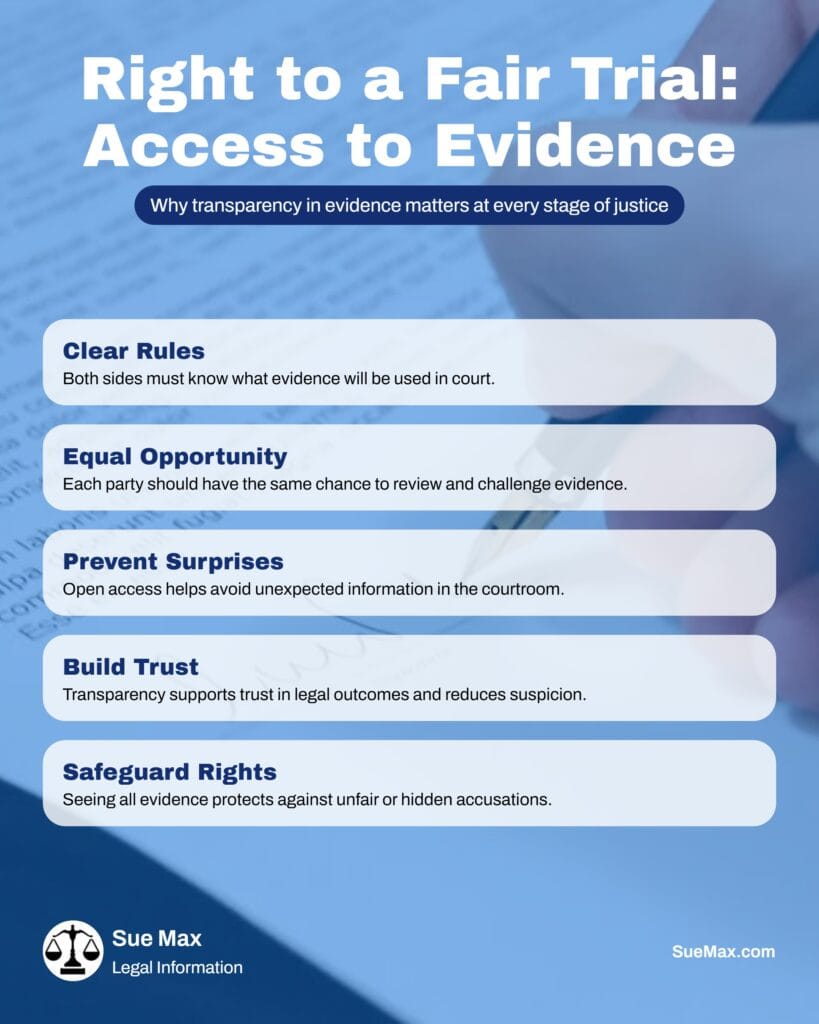
This notion isn’t only about being fair; it also helps keep people from being wrongfully convicted and makes our judicial system more accountable. When both sides know all that is important, there is less likelihood of surprises happening during the trial. There won’t be any last-minute “Aha!” moments that might change everything! People trust the legal system more when they know that both sides have received a fair chance to make their case.
Think about what happens when people keep secrets: everything gets very confusing! Trials could turn into chaotic disasters where people make claims that aren’t true. Just envision lawyers running about like headless birds trying to put together incomplete stories while judges shake their heads in bewilderment. Not the best way to get justice!
We also need to understand how important it is for judges and jurors to have all the facts. If they don’t know about important information or witness testimony from either side, they won’t be able to make good conclusions. It’s like asking someone to solve a problem without giving them all the pieces. They can just guess and not get the right answer.
For legal processes to be fair, both sides must be able to see all relevant material, such as documents and witness statements. We promote fairness and defend justice for everyone by not letting one side keep important information like a greedy pirate guarding treasure. So, let’s keep those chests open and let knowledge flow freely. This will make our courts far better places to tell stories and get things done.
Impartial Judges and Juries: No Bias Allowed!

🧾 In ancient Rome, judges were required to wear white robes during trials to symbolize their impartiality. However, the practice led to some very confusing fashion statements—especially when a toga party broke out! 🧾
“Judges are just like everyone else; they’re human beings who make mistakes.” — Janet Reno
What if you went to court and found out that the judge had strong feelings about your case? Yikes! That’s why it’s important for judges and juries to be fair in order to keep trials fair. A fair trial needs people who can put their own opinions aside and only look at the facts that are given in court.
This is exactly why there are methods for picking juries! It’s like putting together a dream team for the big game. Lawyers on both sides look through the pool of potential jurors, carefully considering who could be able to look at cases without any preconceived notions. If you were picking players on a schoolyard, you’d want those who would play fair and do their best. You wouldn’t pick someone who already thinks they know how the game will end, would you?
Justice Without Favorites
– In ancient Rome, juries were made up of citizens who had to be at least 30 years old. This was so they wouldn’t just vote for the coolest guy in town—like the one with the best toga!
– Did you know that in some places, judges can wear colorful robes? It’s like a fashion show where the winner gets to decide your fate! Who knew justice could be so stylish?
– Jury selection is like casting for a movie. They ask potential jurors questions to find out if they can be fair. Imagine being asked if you’d give a thumbs-up or down on a superhero film—only this time, it’s about someone’s life!
During this selection process, called voir dire (which sounds fancy but basically means “to speak the truth”), lawyers can ask potential jurors questions that assist them find out if they have any biases or predetermined ideas. You may think of it as an interview when both sides try to find out if the jurors can have an open mind when they see evidence. It’s not only about choosing people who adore ice cream and puppies, though that helps. It’s also about making sure they can judge the case based just on what happens in the courtroom.
Some jurors may already have strong opinions about particular issues or even personal experiences that could make it hard for them to make a fair decision. For example, if someone has had a bad experience with the police, they might bring those feelings into the room without even realizing it. That’s why lawyers are so keen to find any biases during jury selection: we all know how crucial it is for justice to be served equitably!
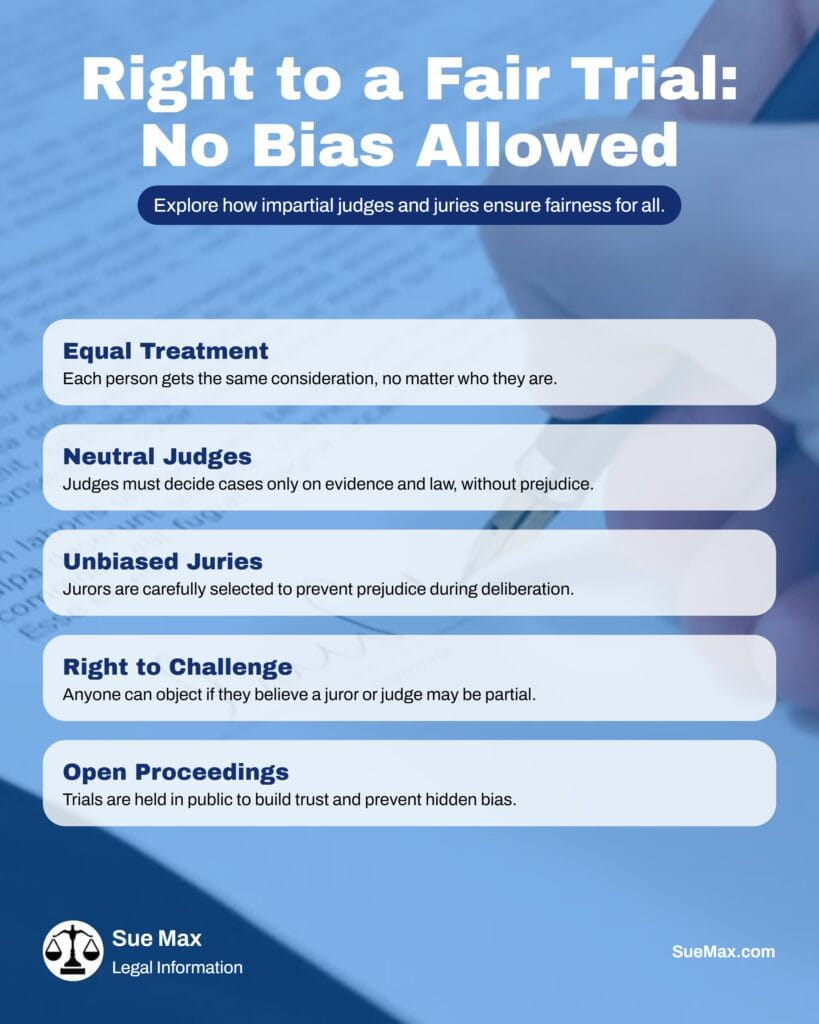
Let’s chat about our plan now! Lawyers typically look for jurors who seem friendly and able to absorb complicated information. It’s like looking for players for your favorite sports team. You want people who can think critically and have interesting conversations. Sometimes lawyers even utilize psychological profiles to help them make decisions. They want a group that is diverse and shows a range of points of view while yet being fair.
And now the fun part: hitting jurors! Each lawyer can only use a certain number of challenges to get rid of potential jurors without giving a reason. Things get fascinating here because it turns into a chess game. Attorneys need to figure out which jurors can cause problems later and which ones might genuinely aid their case. They have to think about things like demographics, how people feel about authoritative figures, and even body language. Who knew that picking a jury could feel like dating?
Lawyers can also use peremptory challenges to get rid of possible jurors based on gut feelings or hunches without having to explain why. This adds another element of strategy because one side could notice something small that shows bias while the other side doesn’t see it at all! So, picking a jury isn’t merely a matter of luck; it takes sophisticated planning and careful thought.
The goal of this whole procedure is to put together a group of people who are willing to listen carefully and make decisions based only on the facts provided during the trial. Both sides work hard to make sure that legal outcomes are fair, which is an important part of our court system. They do this by carefully picking members whose opinions won’t affect their sense of justice.
So the next time you hear about jury selection in court, remember that it’s not just about filling seats; it’s about putting together the best team to make tough choices! We want everyone concerned, from the defendants to the plaintiffs, to be sure that justice will be done via honest discussion among carefully chosen peers.
The Right to Appeal: A Safety Net

🧾 In the medieval times, some courts had a “trial by combat” option where the accused could fight their accuser to prove innocence. Imagine if today’s appeals process involved sword fights—talk about raising the stakes! 🧾
“Appealing is like trying to convince your parents that you really did study for that test.” — Unknown
Things don’t always go as planned in court (enter the dramatic music). People who think they were wronged or didn’t get a fair trial should have options. Enter stage left: the right to appeal! This method gives people another opportunity at justice by looking at the decisions that were made at their original trials.
Appeals are a safety net in our legal system because they know that people make mistakes, including judges and lawyers (who knew?). It would be like trying to build a house on an unstable foundation if every error made in court was permanent. That’s why the appeals process is so important: it adds an extra layer of scrutiny that makes sure that justice isn’t just a one-time thing but a promise to always be fair.
The Safety Net of Justice
– In some countries, if you lose a trial, you can appeal the decision and have a whole new set of judges look at your case. It’s like getting a second opinion on whether your sandwich is actually edible!
– The longest appeal in history took over 20 years! Imagine waiting that long just to find out if you get another chance to prove you didn’t steal Aunt Edna’s prized gnome. Talk about patience!
– In the U.S., more than half of all appeals are based on mistakes made during the original trial. It’s like playing a game of “telephone,” where someone hears “I love tacos” and it ends up as “I love wearing socks!”
When we talk about appeals, we’re talking about higher courts looking at decisions made by lower courts. This isn’t just a bureaucratic formality; it’s an important feature of our legal system that helps catch mistakes or misinterpretations that could have a negative effect on someone’s life. It’s like getting a second opinion when your doctor says you need surgery. You simply want to make sure everything is right before you go under the knife!
There are different kinds of review that might happen during the appeals process. There are direct appeals, which are when someone challenges their conviction or sentence based on particular legal reasons, including bad jury instructions or problems with the evidence. Then there are collateral attacks, which can include accusations that constitutional rights were broken during the first trial. In both circumstances, higher courts look into whether everything was done according to the law. It’s like having referees watch game footage after a bad call!
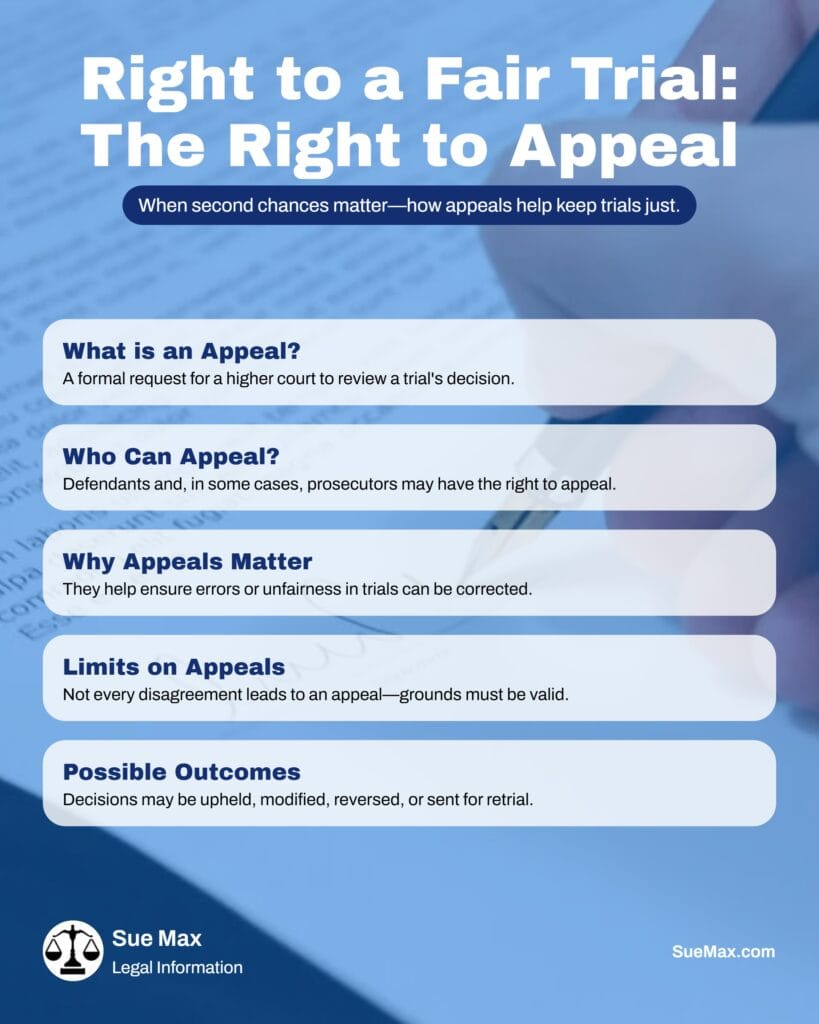
Now let’s talk about what occurs when you appeal. The person appealing, called the appellant, prepares papers that explain their case and point out what went wrong in the first trial. This is generally followed by very detailed legal papers that include citations and case law references. It’s like writing a persuasive essay, but with much bigger stakes! The appellee (the person who is against the appeal) gets to respond and defend the first ruling on the other side.
As this back-and-forth goes on, appellate judges meticulously go through all the evidence and witness statements that have already been submitted in court without repeating them. Instead, they look at whether any mistakes were made in the law that could have changed the outcome. It’s like seeing a movie again, but this time you can just pay attention to how well it follows the rules of the screenplay. No spoilers!
So, what’s the big deal? Well, accountability is on the line here! We make sure that judges and lawyers can fix their mistakes by allowing for these checks and balances in our judicial system. After all, they are human too. People know they can get aid if something goes wrong, which helps keep faith in our legal system.
Appeals also assist make the law clearer and set standards for future cases. When appellate courts make decisions about unclear legal issues or different interpretations from lower courts, those decisions become examples for other cases that are similar. It’s like making rules for new players based on what you’ve learned in the past. This way, everyone knows what to expect in the future!
No one likes to make mistakes, especially when lives are at risk. But an appeal procedure protects against any unfairness in our judicial system. It recognizes our common humanity—the fact that mistakes happen—and takes steps to fix them wherever possible.
So, the next time you hear about someone appealing their case, don’t roll your eyes and believe it’s just another way to delay the process. Instead, remember how important these processes are for keeping fairness in our society! Justice should never stay the same; it should always move toward being more accurate and honest!
Conclusion: Why Fair Trials Matter
The fundamental principles pertaining to the right to a fair trial constitute the foundational supports of the integrity of our justice system. If we don’t have these protections in place, such the presumption of innocence, open access to evidence, fair decision-makers, and methods to appeal, we could lose everything we care about when it comes to justice.
So, the next time you’re watching courtroom dramas on TV or reading about real-life cases online (and let’s be honest, who doesn’t love some juicy legal drama?), keep in mind that these rules are highly important in every case!
Suggested External Resources
The Right to a Fair Trial
https://www.humanrights.gov.au/our-work/fair-trial
What Is a Fair Trial?
https://www.law.cornell.edu/wex/fair_trial
Understanding Your Rights in Court
https://www.aclu.org/know-your-rights/courtroom-rights
Frequently Asked Questions
What is the main purpose of a fair trial?
The purpose of a fair trial is to ensure both sides can present their case equally, with decisions made by impartial judges or juries based solely on evidence.
Why is legal representation important in achieving fairness?
Having a lawyer ensures individuals understand legal procedures and can effectively defend themselves, preventing disadvantages against trained prosecutors.
What does “innocent until proven guilty” actually mean?
It means a person cannot be considered guilty unless strong, credible evidence proves it. The burden of proof is on the prosecution.
Why is access to evidence essential in a fair trial?
Both sides must see all relevant evidence so they can prepare their arguments. This transparency helps prevent unfair surprises and wrongful convictions.
How do courts ensure judges and juries remain impartial?
Courts use screening processes, such as jury selection questioning, to identify potential biases and remove individuals who cannot fairly evaluate the case.
What is the purpose of the appeals process?
An appeal allows a higher court to review possible errors made during the original trial, providing a safeguard against unfair or incorrect outcomes.
How do fair trial principles protect the justice system?
They promote trust by ensuring cases are decided based on fact, transparency, and equal opportunity, reinforcing the system’s integrity and accountability.

Kevin Collier is a legal expert passionate about simplifying complex legal concepts for everyday individuals. With a focus on providing clear, practical information, he covers a wide range of topics, including rights, responsibilities, and legal procedures. Kevin aims to empower readers with the knowledge they need to navigate the legal landscape confidently, ensuring they can make informed decisions regarding their legal matters. Through insightful articles and easy-to-understand resources, he helps demystify the law, making it accessible to all.