
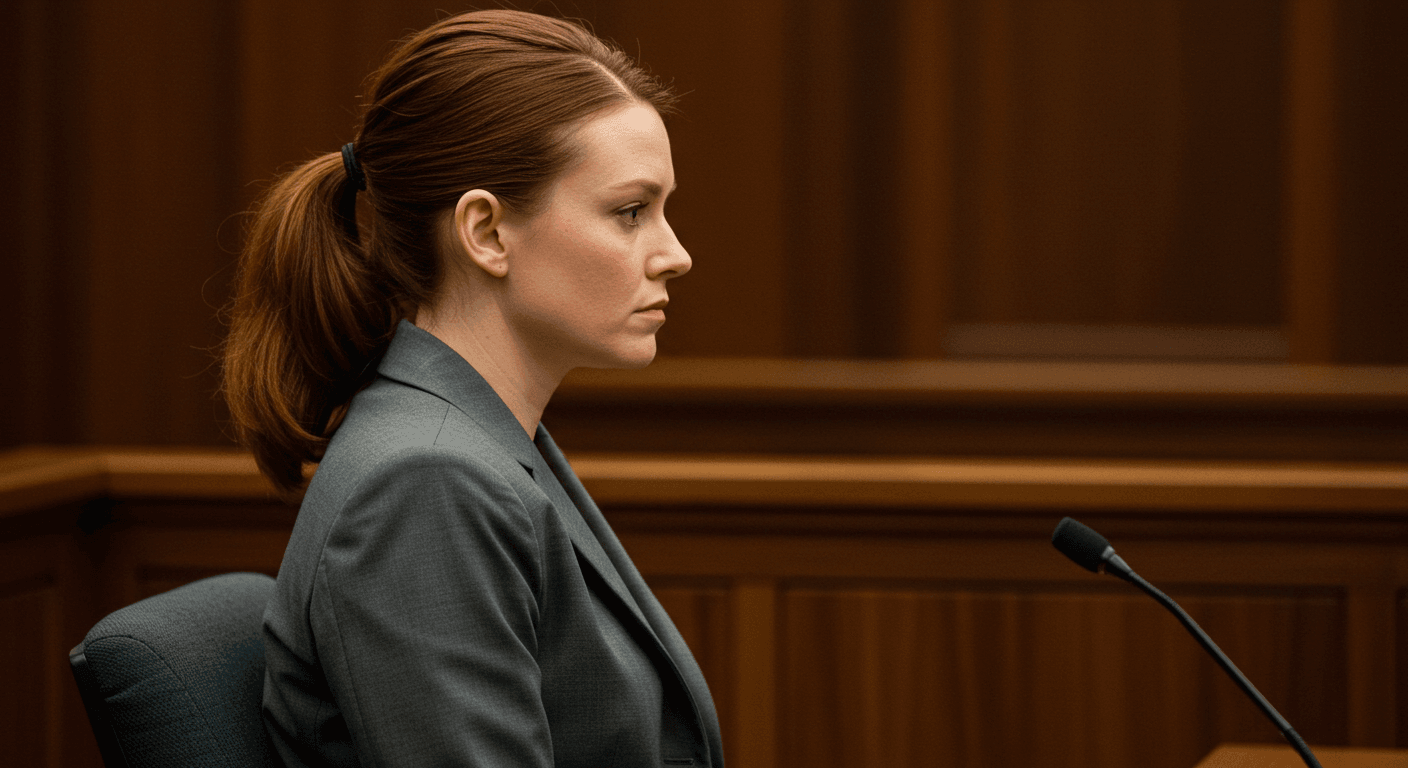
It can be hard to figure out the law when you can’t see it. You flip and twist, hoping for that perfect moment when everything comes together. The good news is that getting good decisions in your legal issues doesn’t have to be an insurmountable problem! You can get a good result in your case if you use the appropriate methods and add a little humor.
Top Takeaways and Key Concepts
Learn every detail of your case to anticipate challenges and strengthen your arguments.
Develop a clear, organized legal strategy with solid evidence and well-prepared counterarguments.
Practice confident communication—speak clearly, use positive body language, and stay calm under pressure.
Gather reliable witnesses and maintain detailed, well-documented records to support your claims.
Respect courtroom etiquette, stay composed during setbacks, and celebrate victories with reflection and humility.
Summary of This Article
This article is a practical and humorous guide to navigating the legal process with preparation, composure, and confidence. It emphasizes understanding your case thoroughly, organizing your notes, and working closely with legal experts to avoid confusion. Building a strong legal strategy—supported by solid evidence, credible witnesses, and rehearsed arguments—is key to success. The piece also highlights the importance of clear communication, confident body language, and respect for courtroom etiquette to create a professional impression. Even when setbacks arise, the article encourages readers to stay calm, think clearly, and adapt. Ultimately, it reminds readers to celebrate victories wisely while learning from every step of their legal journey.
Understanding Your Case Inside Out

🎫 In the U.S., there are lawyers who specialize in “outrageous” cases, like suing a company for not having a warning label on their coffee that says, “Caution: Hot!” This means you can actually take legal action if your morning cup of joe is too steamy! 🎫
“Justice delayed is justice denied.” – William E. Gladstone
First things first: know what you’re up against! Every legal case is diverse, much like different kinds of ice cream. Some are easy to understand, while others could have more layers than an onion (and no one wants to cry over onions). Spend some time learning everything you can about your position. What legislation are in effect? What past cases could have an effect on your case?
It could help you to write down all the important information concerning your case. This isn’t simply busywork; it’s like building a treasure map that will lead you to triumph! If you didn’t have a map, it would be hard to get through a thick jungle, wouldn’t it? By writing down every little thing, you’re making sure you know exactly where you’ve been and where you need to go next. Writing down things like dates, events, or specific conversations you’ve had about your case can help you think more clearly and find any mistakes.
Know Your Case Like You Know Your Favorite Snack
– The Weirdest Evidence Ever: In a real trial, a lawyer once brought a rubber chicken as evidence to prove his client’s innocence. He claimed it showed how ridiculous the accusations were!
– Jargon Jumble: Did you know that lawyers have their own secret language? They use terms like “habeas corpus” and “res ipsa loquitur.” It sounds fancy, but it really just means “you can’t take my body” and “the thing speaks for itself.”
– Mysterious Courtroom Props: Some courts allow “therapy dogs” to help witnesses feel calm while testifying. Imagine being in court and having a fluffy dog by your side instead of just a scary judge!
Things can get difficult in the law faster than a squirrel on coffee. If you’re ever confused about whether that one email from three months ago is relevant or if you should recall that discussion with Aunt Edna, don’t be afraid to call a lawyer who specializes in your area of concern. Honestly, consider of them as your loyal partner on this journey! They have the skills and knowledge to help you make sense of the legal system so it doesn’t feel like you’re lost in a maze.
Talking to a lawyer or legal expert is like having a GPS that tells you where to go. They can help you understand complicated words that sound more like hieroglyphics than plain English. They will also make sure that nothing gets missed when getting ready for court or negotiations. Their ideas could help you see things in a new way or come up with new plans.
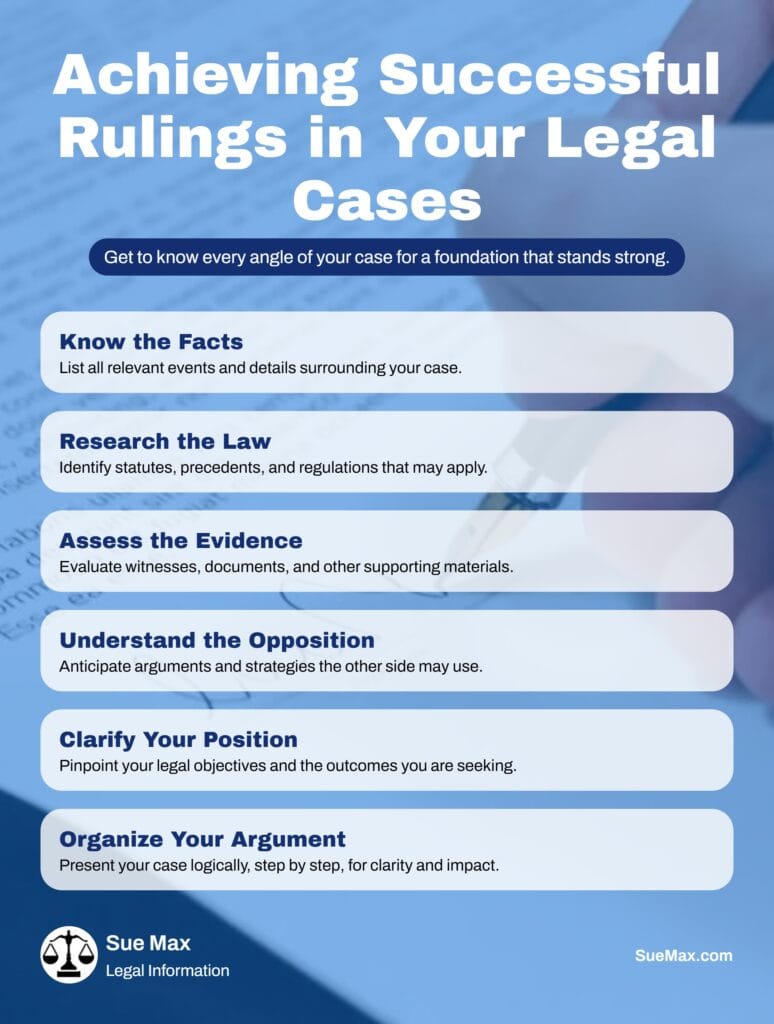
Putting all of your notes into groups is another wonderful technique. You might have sections for evidence, witness information, timings, and even possible arguments for both sides of the case (yes, even what the opposing side would say). This group not only maintains things in order, but it also makes it easy to find what you need when you’re feeling overwhelmed in meetings or court.
So get a notebook (or open that cool note-taking app) and start planning your trip! The more clearly your path is spelled out in front of you, the easier it will be to stay focused on winning your case. And don’t forget that every good adventurer needs a team, so don’t be afraid to ask for help from those who are there for you!
Building Your Legal Strategy

🎫 In 1994, a man in the U.S. sued McDonald’s for $1.5 million because he found a dead mouse in his cup of coffee. His legal strategy? Claiming emotional distress from the unexpected “extra ingredient”! 🎫
“Success is how high you bounce when you hit bottom.” – George S. Patton
Now that you have the facts, it’s time to establish a plan for court. This is when things start to get interesting because there isn’t a single right way to do things. Your strategies will be very different depending on whether you are facing civil litigation or criminal accusations.
I think it’s important to come up with possible arguments here. You wouldn’t go up to a big game without practicing your movements, would you? So, get proof that backs up your case. This could be papers, witness testimony, or anything else that makes your assertions stronger. This step is very important since the firmer your foundation is, the stronger your case will be. Think of it as getting ready for fight by gathering weapons; you want to have every edge you can get!
Crafting Your Winning Game Plan
– The Power of Color: Did you know that the color of your lawyer’s tie can influence a jury? Studies show that wearing blue makes lawyers seem more trustworthy. So, if your attorney shows up in a neon green tie, it might be time to worry!
– Opening Statements Matter: In court, the opening statement is like the trailer for a movie. If it’s boring or confusing, jurors might zone out faster than during a lecture on tax law! A good opener grabs attention and sets the stage for drama.
– The Secret Weapon – Humor: Some lawyers use humor in their arguments. A well-timed joke can lighten the mood and make jurors more receptive. Just remember, telling jokes about cats or dogs is usually safer than making fun of the judge!
Start by gathering papers that could help your case. These could be contracts, emails, pictures, or any other papers that can assist you tell your side of the story. If you have witnesses who can back up what you’re saying, make sure to obtain their comments on record. Each piece of evidence is like a brick that makes your argument stronger.
Think about how you’ll respond to any arguments from the other side. It’s not enough to just defend yourself; you also need to be proactive and think about what they might do to you. You know how in chess there’s always that one move that leaves you wide open? Well, getting ready can also make the difference between winning and losing in court. Think about what they might say and come up with counterarguments. Having this mental playbook ready can help you when things get tense.
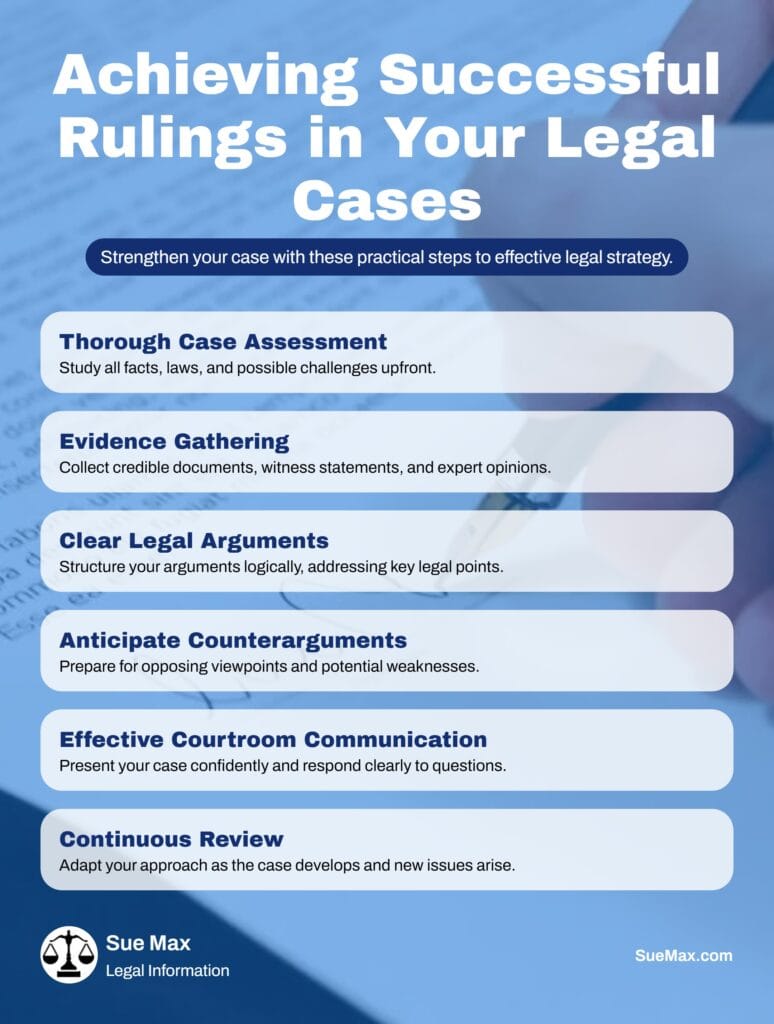
You may even have a fake discussion with a friend or family member who plays the devil’s advocate. This exercise not only makes your responses sharper, but it also helps you see holes in your own arguments before anybody else does. Plus, it helps you feel better about yourself! The better ready you are for different situations and conflicts, the less likely it is that you’ll be caught off guard when it matters.
During this brainstorming phase, don’t forget to maintain everything in order. Your mind gets messy when it’s full of stuff! Use charts or bullet points to make each argument and the evidence that backs it up easy to see. You will feel more calmer when it’s time to present or defend your case, whether in court or in negotiations, if you have planned everything out logically ahead of time.
So get ready and go into this period of preparation with excitement! The time you spend now coming up with ideas and putting them in order will pay you later when you need to be strong during those important times in your legal journey.
Effective Communication is Key

🎫 In 2007, a lawyer in Canada accidentally sent a text message to the judge instead of his client, asking if they could “swing by for a quick chat.” The judge replied with a very stern “No,” and the lawyer had to explain that it was meant for someone else—awkward! 🎫
“Words are, of course, the most powerful drug used by mankind.” – Rudyard Kipling
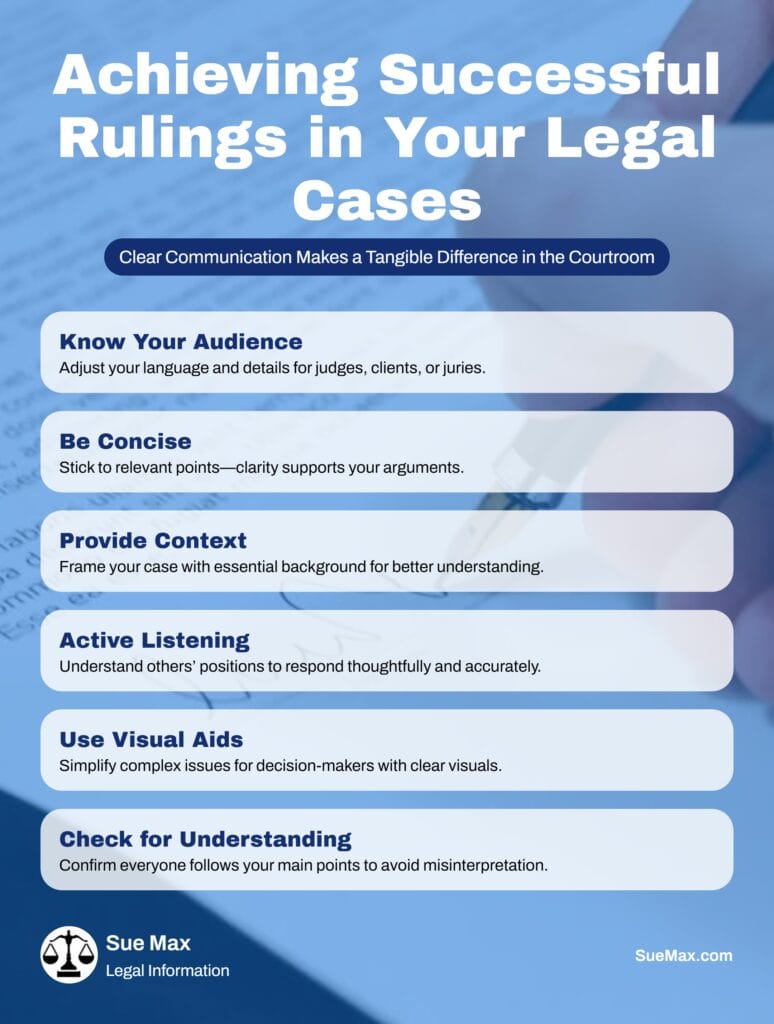
Think about how scary it would be to come into court feeling sure of yourself but then trip over your words when giving witness. It’s important to be able to communicate clearly in court, therefore practice makes perfect. You should always be clear when you talk to the judge or show evidence through witnesses.
Body language is also very important! It’s like having a hidden weapon in your bag. Even if you’re nervous inside (and let’s be honest, who wouldn’t be?), standing tall and making eye contact can show confidence. You know that sensation in your stomach before you’re ready to talk? Almost everyone does it! But here’s the thing: how you present yourself can make a big impact.
The Art of Legal Chit-Chat
– Jargon Jumble: Lawyers love using fancy words, but jurors might not know what “habeas corpus” means. It’s like speaking a secret language! Keeping it simple helps everyone stay on the same page—unless you want to confuse them with a legal riddle.
– The Power of Pauses: In court, dramatic pauses can be more powerful than a thousand words. A well-timed silence after an important point makes everyone lean in and think, “Wow, this must be really important!” Just don’t fall asleep yourself!
– Body Language Bingo: Did you know that your body can speak louder than your words? Gestures, eye contact, and even how you stand can sway opinions. So if you’re nervous, just remember to avoid fidgeting like you’ve got ants in your pants!
When you stand up straight, you convey a message to yourself and to others. Your body seems to be saying, “I’ve got this!” Instead of slouching or crossing your arms like a turtle that is trying to protect itself, strive to stand up straight. Picture yourself as a superhero, with your cape flapping in the breeze and everything. This one easy thing might make you feel a lot more confident. It also makes people think you are honest and trustworthy.
Making eye contact is another important thing. When you converse or listen to someone, looking them in the eye demonstrates that you are interested and honest. It makes a connection that words alone can’t always make. I understand, though—keeping eye contact might be hard at first, especially during serious talks or legal talks. But look at it this way: every time you look someone in the eye, you’re showing that you’re serious about what you’re talking about and creating trust.
Honestly, nerves happen to the best of us! Even seasoned professionals might feel their palms sweat before a big presentation or courtroom appearance. That’s where preparation comes into play again. The more thoroughly you’ve prepared for whatever situation lies ahead—the facts of your case or potential questions—you’ll find that those pesky nerves start to fade away like mist under sunlight.
Practicing your delivery can help solidify both your content and body language. Try rehearsing in front of a mirror or recording yourself on video (don’t worry; no one else has to see this!). Watching yourself can reveal habits you may not even realize you’re doing—like fidgeting with your hair or avoiding eye contact altogether. With practice comes familiarity—and with familiarity comes comfort!
And remember: everyone else is human too! They have their own insecurities and worries swirling around inside them just like you do. So when you’re standing there confidently presenting your case—or even having casual conversations—keep in mind that people appreciate authenticity over perfection any day of the week.
So go ahead—embrace that superhero within! Stand tall, make eye contact, and walk into any legal scenario ready to show what you’ve got. You’ll not only feel better about yourself but also project an aura of competence that’ll resonate well beyond mere words!
Gathering Evidence Like Sherlock Holmes

🎫 In 2016, a court case in the UK was delayed because a judge ordered that all evidence be presented in the form of emoji. The lawyers had to translate their arguments into little pictures, leading to some very serious discussions about whether a thumbs-up really meant “I agree” or just “good job!” 🎫
“Detective work is not just about gathering evidence; it’s about understanding human nature.” – William Shatner
Imagine you are Sherlock Holmes, but without the pipe and deerstalker hat (unless that’s how you choose to dress). Doing a lot of research will make your case much stronger. Getting proof isn’t just about having a lot of papers; it’s about looking for anything that can back up your case.
Think about talking to anyone who may have seen or heard something important that has to do with your case. These people can be like treasure hunters, finding golden nuggets of information that could help you win your case if you present them in the right way in court. Think of it this way: you’re putting together a jigsaw, and each witness is a key piece that helps you finish it. Don’t underestimate how useful their observations might be; they could provide you new ideas or information you hadn’t thought of before.
Detective Skills for the Courtroom
– The Mystery of Missing Evidence: Did you know that over 20% of evidence in legal cases is lost or destroyed? It’s like a real-life game of hide and seek, except no one wants to find out what happened!
– CSI: Coffee Shop Investigation: Many lawyers gather evidence in unusual places, including coffee shops! You might overhear someone discussing their case while sipping a latte. Who knew eavesdropping could be part of the job?
– The 5-Second Rule: In court, even a crumb can be crucial evidence! That’s right—if you drop your sandwich on the floor but pick it up within five seconds, it’s still considered “clean” enough to eat. Just don’t try using that rule with important documents!
When you talk to possible witnesses, be open-minded and genuinely interested. You never know what they might tell you! It’s possible that they saw something from a different angle or heard a conversation that gives you important information about your case. When you talk to them, use open-ended questions that get them to give you more than simply yes or no answers. You want to get them to remember more.
Now we need to discuss about paperwork, because this is where things get really crucial! Keeping careful records of everything makes ensuring that nothing gets lost in translation later. If you try to remember every detail weeks or months after the event, it can feel like chasing shadows. Instead, write down what you talked about with witnesses shortly after you talk to them, when the knowledge is still fresh in your mind. This will not only help you recall important things, but it will also give you a strong base to build your argument on.

When writing down witness statements, be sure to include important information such names, contact information, and exact things that were said during conversations. You might want to make a basic chart or spreadsheet to help you keep track of this information. Believe me, seeing everything written out can help you save time and worry later as you get ready for court.
If you can, try to record these talks (with permission) or ask witnesses if they would be prepared to write down what they saw. A signed statement can be very important in court and gives their stories even more credence. Just think of it as taking a picture of the truth in real time that backs up your point of view!
It’s crucial to get witness statements to strengthen your case, but it’s just as critical to get them ready for what will happen if they have to testify in court. Talking to them about what they could expect during questioning will help them relax and feel more sure of themselves when the time comes. Tell them that honesty is the most important thing; jurors would rather hear the truth than rehearsed phrases any day!
And here’s another thing to think about: always keep in touch with your witnesses during the whole event! Keeping them up to know on any changes indicates that you value their input and keeps them interested in how the case is going. After all, they’re now part of your team!
Contact those possible witnesses who are hiding like hidden jewels just ready to shine! Their input could make a huge difference as you put together a solid case with reliable evidence and testimony that leaves no room for doubt!
Navigating Courtroom Etiquette

🎫 In a courtroom in 2012, a lawyer accidentally wore socks with cartoon characters to a serious trial. Instead of being reprimanded, he became the star of the day when the judge commented on his “colorful approach” to legal fashion, leading to an unexpected moment of laughter that lightened the mood for everyone involved. 🎫
“Courtroom etiquette is like a dance; you have to know the steps or risk stepping on toes.” – John Grisham
Courtrooms aren’t exactly places where people hang out casually. They have their own norms and etiquette, just like going to a posh dinner party where everyone wears suits instead of pajamas (unfortunately). Being polite might help you make a good impression.
For example, always speak to the judge with respect and follow their directions exactly. This indicates that you mean business! When you come into a courtroom, you are entering a formal place where rules of behavior are very important. The judge is more than just an authoritative figure; they are the captain of this ship, steering it through legal waters with skill. When you call them “Your Honor” and speak to them in a polite way, you are not only following the rules of etiquette, but you are also creating an air of seriousness that can help your cause.
Courtroom Etiquette: The Unwritten Rules
– Dress Code Drama: In some courts, wearing a hat is a big no-no! But if you’re a judge, you can wear a robe and a wig. It’s like being at a fancy costume party, but only the judges get to have all the fun!
– Silence is Golden (Unless You’re Snoring): If you fall asleep in court, it’s not just embarrassing; it could lead to contempt of court! So, unless you want to be woken up by the gavel instead of sweet dreams, keep those eyelids wide open.
– The Mysterious “Objection!” Shout: Ever wonder why lawyers yell “objection” so dramatically? It’s like courtroom theater! They’re really just trying to make sure everyone knows they disagree. Next time, try saying it while doing jazz hands for extra flair!
Judges usually have rules on how things should be done in their courtrooms. If you don’t follow these regulations, it’s like trying to play soccer without knowing the rules. You might get a red card! Paying attention to these little things, like turning in papers on time or sticking to time limitations during presentations, might show that you appreciate the court system.
Speaking of looks, dress appropriately too. Who wants their fashion mistakes to get in the way of important things? Imagine this: you walk into court in flip-flops and a T-shirt, and everyone else is dressed like they just got off the catwalk. It could not only make people raise their eyebrows (and maybe even laugh), but it could also hurt your credibility. You don’t have to wear a fancy suit to look good; just try to seem neat and professional. Wearing clean clothes shows that you care about this case and follow the court’s rules.

When you want a good ruling, small things are really important. It’s not just what you say; it’s how you act in general. Body language is also very important here! Standing up straight with your shoulders back shows confidence, even if you feel like jello inside. When you talk to the judge or make your case, look them in the eye. This demonstrates that you are interested and honest. It’s normal to feel nervous in circumstances with a lot on the line, but acting confident can help ease some of your nerves and make a positive impression.
Think about how you act during the hearings; even if things get tense or you get asked unexpected questions, stay calm and collected. If someone interrupts you or questions your points (which happens more often than you might imagine), be polite instead of defensive. Judges really like this way of handling things since it shows maturity and calmness under pressure.
Another important thing to do to make a good impression in court is to be on time. When you show up late, it makes others think that this whole thing isn’t as important to you as it should be, and trust me, no one likes that kind of energy in the air! Make sure you’re ready before the proceedings start by planning ahead. Use the extra time to compose your ideas or go over your notes instead of rushing at the last minute.
When you want a good ruling in a court case, every little thing matters, from how you talk before the judge to what you’re wearing and even how calm you stay under pressure. So, the next time you have to go to court, remember that being polite and professional makes it easier to do well. After all, who wouldn’t want to make a good impression when fighting for justice?
Dealing with Setbacks Gracefully

🎫 In a famous case, a lawyer once tripped over his own briefcase while making an important point in court. Instead of losing composure, he turned the stumble into a joke, saying, “Well, that’s one way to bring my argument to the ground!” The jury loved it and even found him more relatable. 🎫
“Success is not final, failure is not fatal: It is the courage to continue that counts.” – Winston S. Churchill
Let’s be honest: court battles almost never go exactly as planned (insert dramatic music). Even when we do our best, things don’t always go our way. Maybe fresh information comes to light, or the other side’s lawyers attempt every trick they know to get their way.
When you hit these bumps in the road (and you will), it’s important to stay calm! Imagine this: you’re driving down the highway of your legal voyage when all of a sudden, boom! A pothole arises out of nowhere. It can be tempting to slam on the brakes or throw up your fists in anger (believe me, I’ve been tempted many times). But this is when the true magic happens: instead of panicking, take a deep breath and carefully look at each situation before determining what to do next.
Bouncing Back in the Courtroom: Fun Facts
– The Great Legal Facepalm: Did you know that lawyers have a special term for when they mess up? It’s called “reversible error.” It sounds fancy, but really it just means, “Oops! Let’s try that again!” Just like when you spill juice on your homework.
– Famous Fails: Some of the biggest courtroom blunders have led to legendary stories. One lawyer accidentally presented his own personal diary as evidence! Talk about sharing too much information—next time, leave the secrets at home!
– The Power of Puns: Lawyers often use humor to ease tension after a setback. A good pun can lighten the mood and help everyone remember that even in serious situations, laughter can be the best medicine—just don’t make jokes about being sued!
First, let’s agree that it’s normal to feel overwhelmed. These times can be hard for anyone, whether it’s new evidence from the opposing side or a surprise witness showing up out of nowhere. So what should you do? Stop for a moment instead of allowing your feelings run wild like a puppy that hasn’t been taught. Think on what just happened and ask yourself some important questions: What are my choices? What does this mean for my case? What is the worst thing that could happen? If you divide things down into smaller parts, you’re less likely to get overwhelmed.
I realize you might be thinking, “That’s easier said than done!” And I understand; sometimes those bumps feel like mountains. But think about this: staying calm isn’t only about staying cool; it’s also about being clear. You can think more clearly and make better choices when you’re calm. If someone is shaking the table while you’re trying to put together a puzzle, you won’t be able to see all the pieces clearly. So, find your inner zen master and focus on staying calm in the middle of chaos.
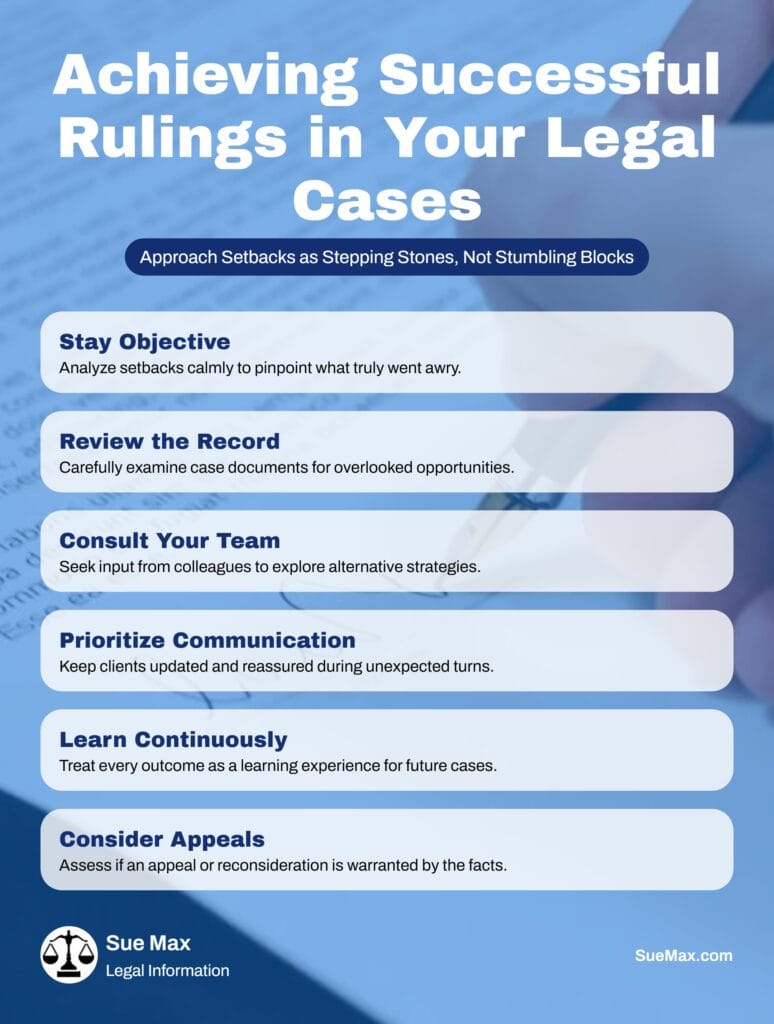
During these hard moments, it’s also helpful to lean on the people who support you. Talking things over with friends or family members you trust might help you see things in a new way and clear your mind. Speaking your worries out loud might sometimes help you find answers you hadn’t thought of previously! And who doesn’t like a little moral support when things go rough?
When you stay calm, you also transmit strong messages to the others around you, especially in court. Both judges and juries prefer to regard those who handle problems with elegance instead than terror. If you can stay calm when things don’t go as planned or when opposing counsel asks you harsh questions, it shows that you are confident in your position and ready for anything.
We shouldn’t forget about useful ways to deal with surprises when they happen. For example, taking notes during a conversation lets you remember important things without getting upset. This way, if something surprises you, like a statement from the other side or new evidence, you won’t have to rely on memory alone.
It’s important to stay calm when dealing with legal issues, even when bumps on the road are unavoidable (and trust me, they happen a lot!). Instead of letting anger control your actions, which is very easy to do, take the time to think about events carefully before deciding what to do next. Remembering that staying calm can help you see things more clearly will give you strength on your way to achievement!
Celebrating Victories Wisely
Finally, when triumph comes knocking at your door after all those ups and downs, the celebration should be sweet but planned! Sure, have some champagne or a treat, but also think about what went well on this trip so that future trips go even more smoothly!
It’s crucial to not only celebrate triumphs but also learn from them because every experience helps you grow and go forward. It’s a win-win situation!
Suggested Resources
Legal Tips: How To Win Your Case
https://www.nolo.com/legal-encyclopedia/legal-tips-how-win-your-case-29824.html
Understanding Court Procedures
https://www.courts.ca.gov/understanding-court-procedures.htm
How To Prepare for Court
https://www.findlaw.com/litigation/how-to-prepare-for-court.html
The Importance of Legal Representation
https://www.avvo.com/legal-guides/ugc/the-importance-of-having-a-lawyer
Winning Strategies in Court
https://www.lawyers.com/legal-info/research/winning-strategies-in-court.html
Frequently Asked Questions
How can understanding my case improve the outcome?
Knowing every detail of your case helps you anticipate challenges, stay organized, and make stronger arguments supported by facts and legal guidance.
Why is building a clear legal strategy important?
A well-planned strategy backed by solid evidence, witness statements, and counterarguments strengthens your case and boosts your confidence in court.
How does communication affect success in legal proceedings?
Clear speech, confident body language, and staying calm help you present your points effectively and create a positive impression on judges and juries.
What types of evidence are most helpful in supporting a case?
Documents, photos, emails, and reliable witness statements provide strong support and help create a complete, persuasive narrative for the court.
Why is courtroom etiquette important?
Respectful behavior, proper dress, punctuality, and following the judge’s instructions demonstrate professionalism and strengthen your credibility.
How should I handle unexpected setbacks during a case?
Staying calm, reassessing the situation, and adapting your strategy help you respond effectively and maintain control even when surprises arise.
Why should victories be celebrated thoughtfully?
Reflecting on what went well and what you learned helps you grow, stay grounded, and prepare wisely for future legal situations.

Kevin Collier is a legal expert passionate about simplifying complex legal concepts for everyday individuals. With a focus on providing clear, practical information, he covers a wide range of topics, including rights, responsibilities, and legal procedures. Kevin aims to empower readers with the knowledge they need to navigate the legal landscape confidently, ensuring they can make informed decisions regarding their legal matters. Through insightful articles and easy-to-understand resources, he helps demystify the law, making it accessible to all.