

So, you’ve found yourself on the receiving end of a lawsuit in small claims court. Maybe it’s something simple, like a broken chair, or something more complicated, like a disputed bill.
Regardless, you’re about to go head-to-head with someone who thinks you owe them money, and you’re not exactly thrilled about it. But don’t panic! Defending against a claim in small claims court might seem daunting at first, but with the right approach, you can handle it.
Top Takeaways and Key Concepts
Understand the claim fully. Review the complaint carefully to know exactly what is being demanded.
Gather strong evidence. Collect documents, receipts, emails, and credible witness testimony to support your defense.
File a timely response. Submit required court forms to avoid losing by default.
Prepare thoroughly for the hearing. Organize notes, dress appropriately, and plan clear, factual arguments.
Stay calm and professional. Respond to the plaintiff’s claims with facts, not emotions, during the trial.
Summary of This Article
This article outlines essential steps for defending yourself in small claims court. It emphasizes understanding the plaintiff’s claim and carefully reviewing all details before acting. Gathering supporting evidence, including documents and witnesses, strengthens your defense, while filing a timely response ensures you remain in the case. Preparation for the hearing—organizing materials, presenting facts clearly, and dressing appropriately—is crucial. Finally, maintaining composure and responding professionally during the trial helps maximize your chances of a favorable judgment, while also allowing options for appeals or settlements if needed.
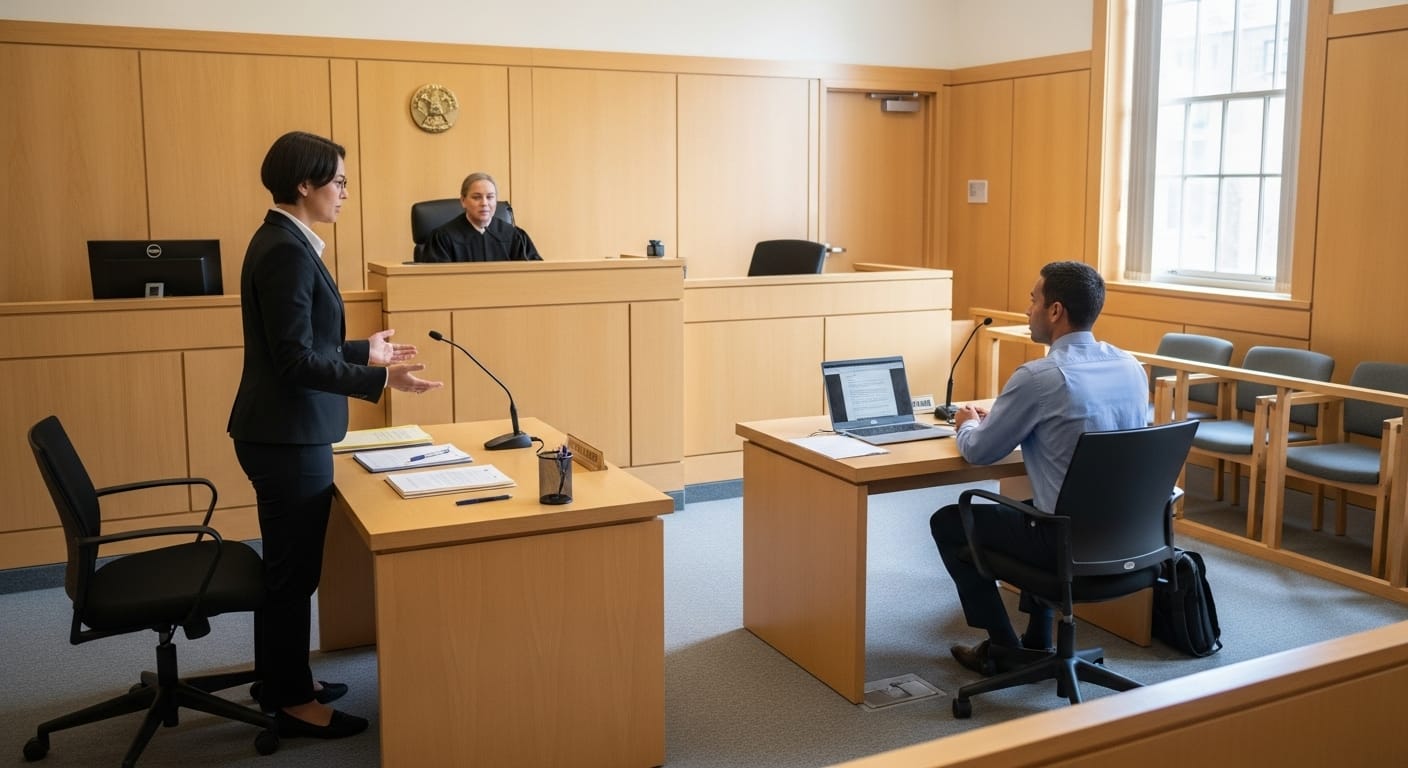
Understanding the Claim: What Are They Really Asking For?
Before you even start thinking about your defense, it’s crucial to understand what the other party is claiming. Do they want money for services they say they provided, or are they suing for damages after a minor disagreement?
Trust me, you can’t win if you don’t even know what you’re being accused of. So, grab your paperwork, and take a deep breath. Go over the complaint carefully. You don’t need to become a lawyer overnight, but knowing what you’re facing is key.
Take note of every detail—the amount being claimed, the reason for the claim, and any supporting documents they’ve provided. This will give you your game plan. For example, if they’re claiming that you broke their favorite vase, and you’ve got a rock-solid alibi that you were 10 miles away at the time, well, you’ve got your first point of defense. It’s like checking the map before heading into battle. The more prepared you are, the better your chances.
Gathering Your Evidence: Show ‘Em the Facts
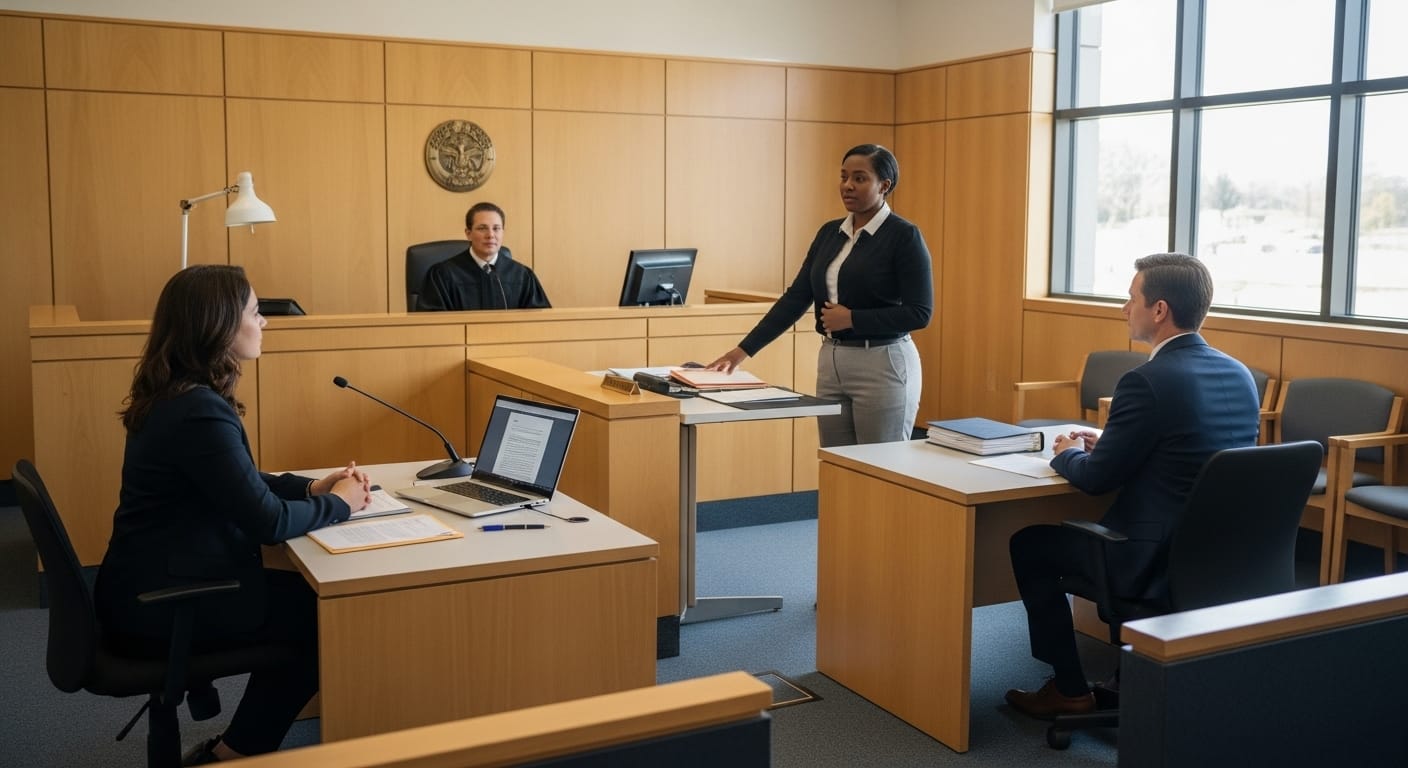
Now that you know what you’re up against, it’s time to collect your evidence. Think of this like preparing for a school presentation. You need to show up with all the materials and facts that prove you’re right. And let’s be honest—who doesn’t like winning with a killer presentation?
Start by looking for documents or physical evidence that support your side. Did you pay that bill? Do you have receipts or a canceled check to prove it? Did you keep any emails or text messages that show the other party agreed to something? This is your time to shine. The more evidence you have, the stronger your defense will be. It’s a bit like showing up to a fistfight with a suit of armor—you’ll feel a lot more confident.
If you have witnesses who can back up your version of events, that’s even better. Maybe your friend was with you when the “accident” happened. Or maybe the person suing you told someone else they’d settled the issue already. Either way, witnesses can be a game-changer. Just remember, your witness will need to be credible and provide solid testimony, so choose wisely!
Filing Your Response: Don’t Just Ignore It
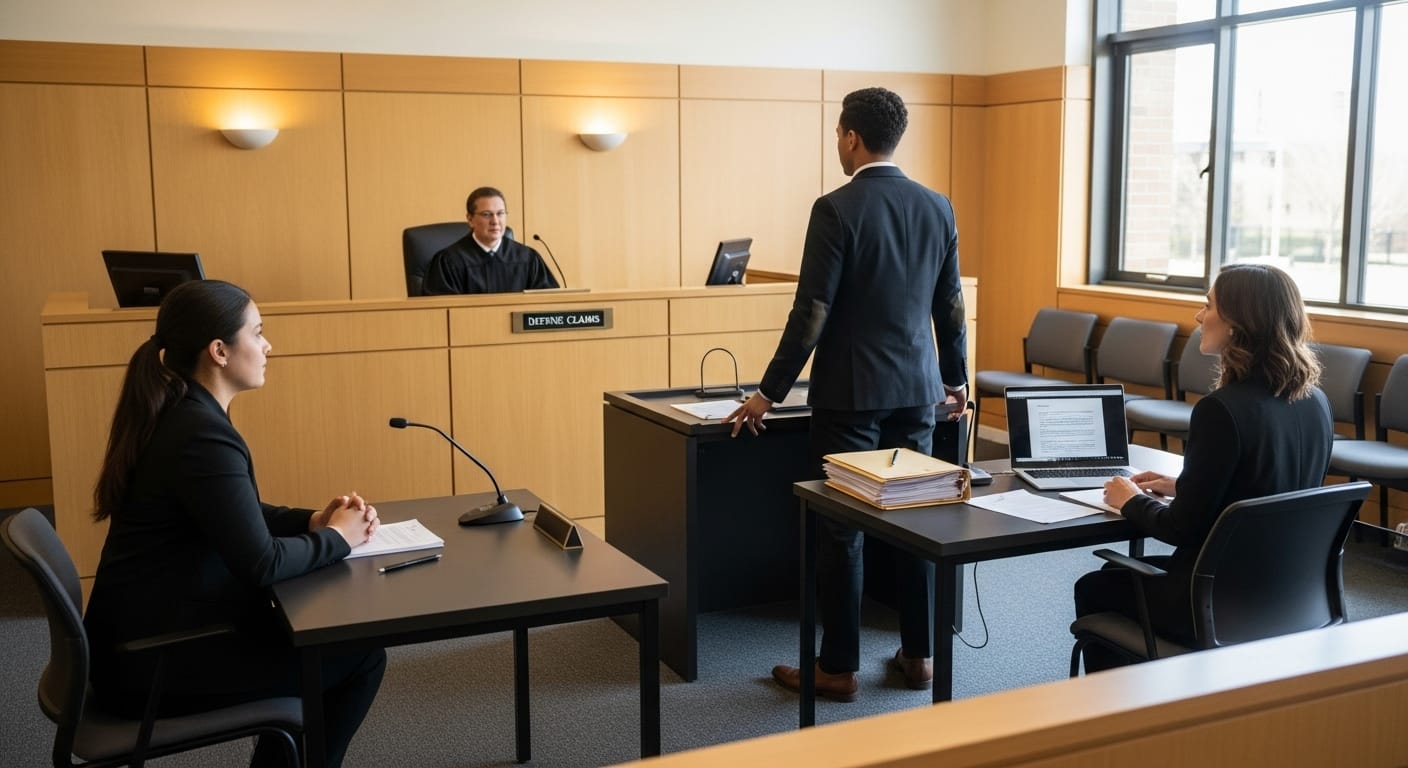
One of the most common mistakes people make when they’re defending against a claim in small claims court is failing to file a response. It’s like being invited to a party and deciding not to show up. You’re essentially telling the court, “I don’t care,” and that’s not going to help your case.
The good news is that filing a response is usually pretty simple. You just need to fill out the necessary forms and submit them before the deadline. Most courts have forms online or at the clerk’s office, and they’re designed to be user-friendly.
This is your opportunity to officially say, “I disagree with what’s being claimed.” Don’t miss it! If you let this step slide, you might end up losing by default, even if you’re in the right. That would be, well, pretty unfair.
Preparing for the Hearing: What to Expect
You’ve done the hard work—now it’s time for the big day. As you prepare for your hearing, take a moment to think through how things might unfold. Small claims court hearings are generally informal, but that doesn’t mean you can slack off. Your best bet is to arrive early, dressed reasonably (you’re not auditioning for a Broadway play, but don’t show up in flip-flops either), and ready to present your case.
At the hearing, you’ll likely have to stand before the judge and present your evidence. This might sound intimidating, but it’s just a chance to explain your side of the story. Don’t worry too much about legalese or fancy jargon—just be clear, calm, and direct.
You can always refer to your notes, documents, or any other supporting materials you’ve gathered. And when it’s time to respond to the other side’s claims, do it with the same level-headedness.
By the way, try to keep your emotions in check. You might feel like yelling, “This is ridiculous!” or “I didn’t do it!” but remember, the judge is there to hear the facts, not your feelings. Keep your arguments professional, no matter how tempted you are to vent.
Staying Organized: Keep Track of Everything
Organization is key to defending yourself in small claims court. You don’t want to be scrambling at the last minute, flipping through papers like you’re trying to find your missing sock. Keep everything neat, organized, and easily accessible. This could mean organizing your documents into folders or using a notebook to track your points.
It’s a good idea to make copies of everything you’re planning to present to the judge. That way, if the judge needs to see something again, you’ll be ready. Plus, you’ll feel more confident if you know exactly where everything is. Organization isn’t just about looking prepared—it helps you stay calm and focused during the trial. And let’s face it, feeling like you have your act together can work wonders for your defense.
Answering the Plaintiff’s Arguments: Stay Cool and Collected
During the trial, the plaintiff (the person suing you) will present their side of the case. At some point, you’ll likely get a chance to respond to their arguments. This is when things could get a little heated. They might make accusations, or maybe they’ll try to twist the facts to their advantage. But here’s the thing: this is your moment to set the record straight.
Take a deep breath. Listen carefully to what they’re saying. If something doesn’t sound right, politely point it out. If they’re relying on something that isn’t true, don’t hesitate to say so. It’s important to stay calm, stick to the facts, and avoid getting drawn into an emotional argument.
Think of it as a chess game—your moves should be calculated, not reactive. The goal is to stay rational and composed, even if your opponent is doing the opposite.
The Judgment: What Happens Next?
Once all the arguments are presented and the judge has heard everything, it’s time for the judgment. The judge will either rule immediately or take some time to deliberate. If you win, fantastic! You may need to follow up to collect your judgment, but at least you’re done with the heavy lifting.
If you lose, don’t despair. There are still options, like appealing or negotiating a settlement. Either way, the key is to remember that small claims court is a straightforward process—and you’ll survive it.
Resources
How to Defend Yourself in Small Claims Court
https://www.nolo.com/legal-encyclopedia/how-to-defend-yourself-small-claims-court
Understanding the Small Claims Court Process
https://www.lawhelp.org/us/resource/understanding-the-small-claims-court-process
The Basics of Small Claims Court
https://www.legalzoom.com/articles/the-basics-of-small-claims-court
Frequently Asked Questions
What should I do first when I’m sued in small claims court?
Start by reviewing the claim carefully to understand what the plaintiff is demanding. Note the amount, reasons, and supporting documents to prepare your defense effectively.
What kind of evidence can help me defend my case?
Gather all relevant documents, receipts, photos, emails, and witness statements that support your side. Strong, organized evidence strengthens your credibility in court.
Do I need to file a response to the small claims lawsuit?
Yes. Filing a timely response ensures your side is heard and prevents a default judgment. Check with the court for required forms and submission deadlines.
How should I prepare for my hearing?
Organize your documents, plan your key arguments, and dress appropriately. Arrive early and be ready to present your case clearly and professionally before the judge.
What’s the best way to handle the plaintiff’s arguments?
Stay calm and factual. Listen carefully, point out inaccuracies politely, and rely on evidence rather than emotions to strengthen your defense.
What happens after the hearing concludes?
The judge may issue a decision immediately or later. If you win, you may need to collect your judgment; if you lose, you can explore options like appeal or settlement.
Can I appeal if I lose in small claims court?
Yes, in most jurisdictions you can appeal within a set timeframe. Consult the court clerk or a legal advisor for details on filing an appeal properly.

Kevin Collier is a legal expert passionate about simplifying complex legal concepts for everyday individuals. With a focus on providing clear, practical information, he covers a wide range of topics, including rights, responsibilities, and legal procedures. Kevin aims to empower readers with the knowledge they need to navigate the legal landscape confidently, ensuring they can make informed decisions regarding their legal matters. Through insightful articles and easy-to-understand resources, he helps demystify the law, making it accessible to all.