

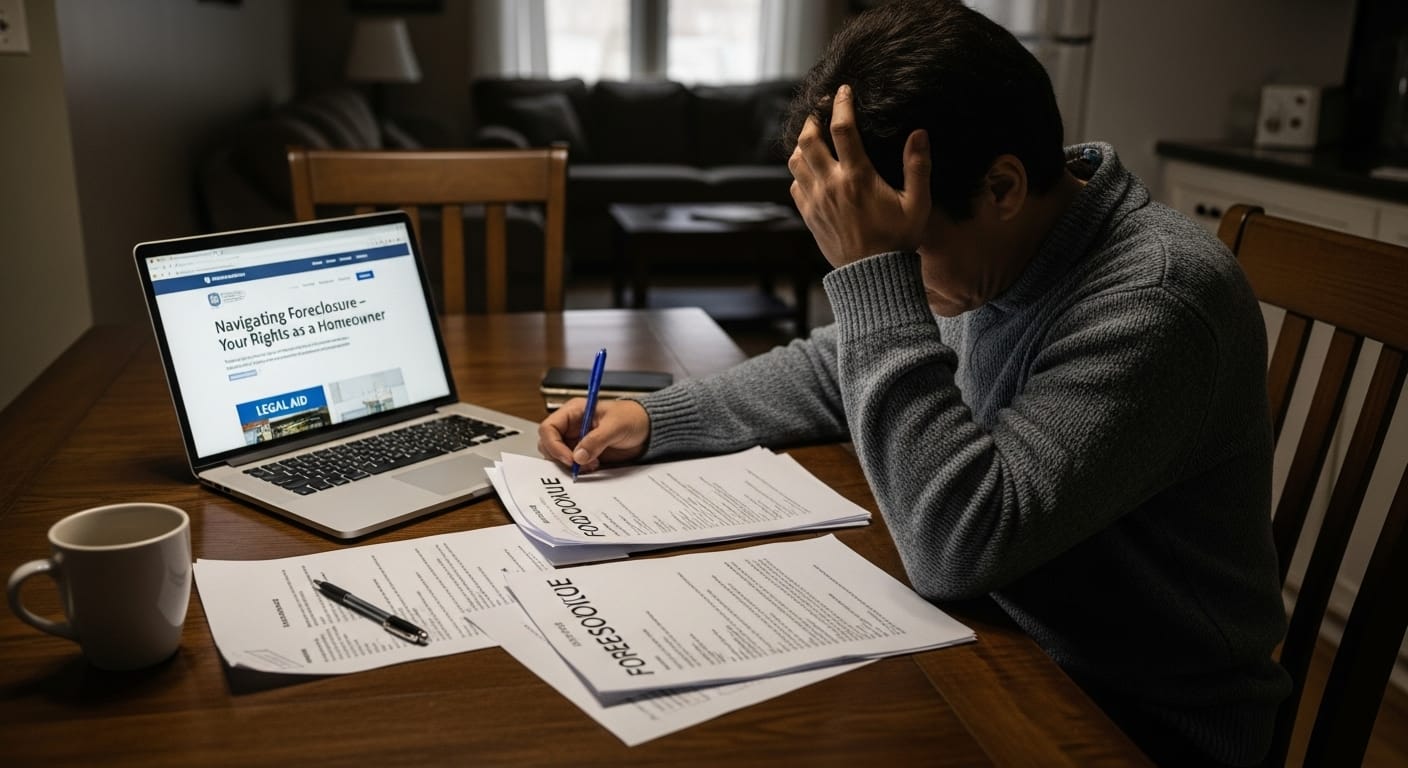
Foreclosure is one of those scary words that can make your stomach drop faster than realizing you left your wallet at the grocery store. For homeowners, it represents the potential loss of a roof over their heads—a nightmare nobody wants to face.
But here’s the thing: you do have rights, even when foreclosure comes knocking. Understanding them could mean the difference between losing your home or finding a way to keep it.
Top Takeaways and Key Concepts
Understand the Foreclosure Process: Learn each stage, notice timelines, and your options to act early and protect your home.
Explore Loan Modifications: Request adjustments to interest rates, repayment periods, or principal to make payments manageable.
Consider Forbearance: Pause payments temporarily during financial hardship, with a plan to repay later.
Know Your Legal Rights: Research federal and state foreclosure laws to leverage protections and negotiate effectively.
Seek Professional Help: Consult foreclosure attorneys, housing counselors, or financial advisors to guide decisions and defend your interests.
Summary of This Article
The article explains strategies for homeowners facing foreclosure, emphasizing proactive steps to protect their property. Key actions include understanding the foreclosure process, pursuing loan modifications or forbearance, exploring government assistance programs, and knowing legal rights. If retaining the home isn’t possible, selling through a short sale can minimize financial damage. Seeking professional guidance from attorneys or counselors is strongly recommended to navigate complex procedures, challenge errors, and make informed financial decisions.
Understanding the Foreclosure Process
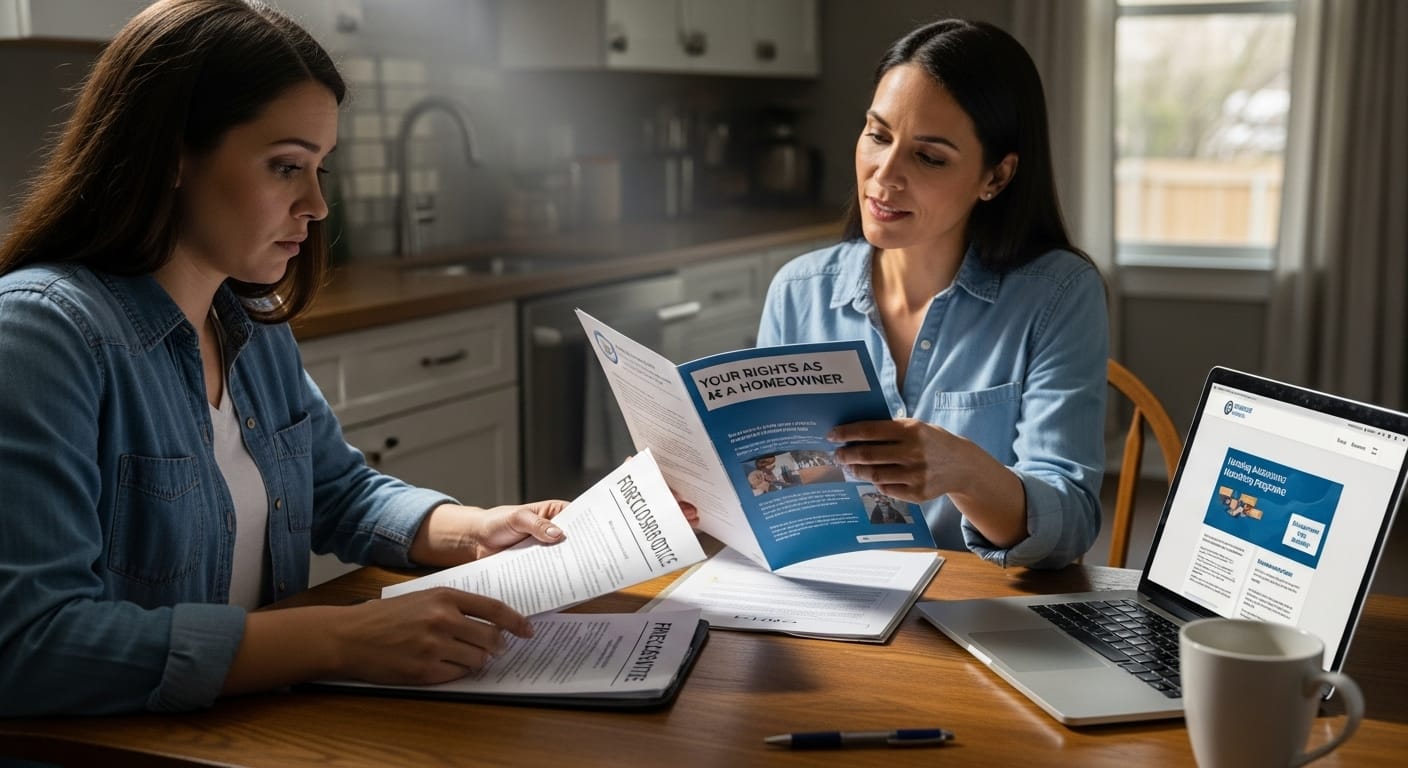
Foreclosure isn’t something that happens overnight. It’s a process that unfolds in stages, each with its own set of rules and timelines. Knowing these stages can help you figure out where you stand and what you can still do to protect your home.
Typically, it begins when you miss a few mortgage payments. The lender then sends you a notice—usually something cheerful like “Notice of Default,” which is about as friendly as a parking ticket on your birthday. This doesn’t mean you’re out of options; it’s more like a warning that things are getting serious.
All things considered, the earlier you act, the better your chances of resolving the issue. Ignoring the problem won’t make it go away, but taking action might keep you in your home.
Exploring Loan Modifications

One way to avoid foreclosure is by negotiating a loan modification with your lender. Essentially, this means you’re asking for a do-over—adjusting the terms of your loan to make it more manageable. This could involve lowering the interest rate, extending the repayment period, or even reducing the principal amount in rare cases.
By the way, lenders aren’t obligated to agree to a modification, but many prefer it to foreclosure, which is a costly and time-consuming process for them, too. If you can prove financial hardship and demonstrate your ability to stick to the new terms, you might just convince them to give you another chance.
The Role of Forbearance
Forbearance is like hitting the pause button on your mortgage payments. It’s not a permanent solution, but it can buy you some time to get back on your feet. Lenders may offer forbearance if you’re experiencing temporary financial difficulties, such as a medical emergency or a job loss.
Interestingly enough, forbearance doesn’t erase your debt. You’ll still need to pay what you owe, but the lender might agree to add the missed payments to the end of your loan or set up a repayment plan.
Challenging the Foreclosure
Foreclosure might feel like an unstoppable force, but it’s not always a done deal. There are instances where lenders make mistakes, such as failing to follow proper procedures or miscalculating what you owe. If you suspect an error, you have the right to challenge the foreclosure in court.
To be fair, this isn’t something you should tackle on your own. Hiring an attorney who specializes in foreclosure defense can help you build a strong case and ensure your rights are protected.
Government Assistance Programs
If you’re struggling to make your mortgage payments, government programs may be able to help. Programs like the Home Affordable Modification Program (HAMP) or the Home Affordable Refinance Program (HARP) have provided relief to countless homeowners in the past.
On the other hand, eligibility requirements can be strict, and not all lenders participate in these programs. However, it’s worth exploring your options because these programs are designed to help people like you stay in their homes.
Selling the Property
If keeping the home isn’t feasible, selling it might be the next best option. A short sale, where the lender agrees to accept less than what you owe on the mortgage, could be a way to avoid foreclosure and its long-term impact on your credit.
Then again, selling your home can be an emotional decision, especially if you’ve lived there for years. However, it can also be a way to regain control of the situation and start fresh without the financial burden of foreclosure hanging over you.
The Importance of Knowing Your Rights
As a homeowner, you have legal protections, even in the face of foreclosure. For example, federal laws require lenders to wait a certain period before starting foreclosure proceedings. Additionally, some states have “judicial foreclosure” laws, meaning lenders must go through the courts to repossess your home.
Speaking of which, understanding these laws can give you leverage when negotiating with your lender or fighting the foreclosure in court.
Seeking Professional Help
Dealing with foreclosure is overwhelming, and trying to navigate it alone can feel like attempting to assemble furniture without the instruction manual. Consulting a foreclosure attorney, housing counselor, or financial advisor can provide clarity and help you make informed decisions.
Resources:
Foreclosure Process Overview
http://www.legalguides.com/foreclosure-process
Government Foreclosure Assistance Programs
http://www.usa.gov/foreclosure-help
How to Challenge Foreclosure in Court
http://www.defendmyhome.com/challenging-foreclosure
Frequently Asked Questions
What is foreclosure and how does the process begin?
Foreclosure occurs when a homeowner fails to make mortgage payments, prompting the lender to begin legal proceedings to recover the property after issuing a Notice of Default.
Can I stop foreclosure once it has started?
Yes, homeowners can often stop or delay foreclosure by paying overdue amounts, negotiating with the lender, or applying for loan modification or forbearance options.
What is a loan modification and how can it help?
A loan modification changes the terms of your mortgage—such as reducing interest rates or extending repayment—to make payments more affordable and help you avoid foreclosure.
How does forbearance work during financial hardship?
Forbearance allows you to temporarily pause or reduce mortgage payments during hardship, with the missed amounts added to the end of the loan or repaid later through an agreed plan.
Can I challenge a foreclosure if I believe there’s been a mistake?
Yes, you can challenge a foreclosure if your lender fails to follow proper procedures or miscalculates your debt, often with the help of a foreclosure defense attorney.
Are there government programs that help prevent foreclosure?
Yes, programs like HAMP and HARP offer assistance to eligible homeowners by modifying loans or refinancing to create more manageable payment terms.
What are my legal rights as a homeowner during foreclosure?
Homeowners have rights under federal and state laws, including receiving notice before foreclosure begins and, in some states, requiring court approval before a property can be taken.

Kevin Collier is a legal expert passionate about simplifying complex legal concepts for everyday individuals. With a focus on providing clear, practical information, he covers a wide range of topics, including rights, responsibilities, and legal procedures. Kevin aims to empower readers with the knowledge they need to navigate the legal landscape confidently, ensuring they can make informed decisions regarding their legal matters. Through insightful articles and easy-to-understand resources, he helps demystify the law, making it accessible to all.